
Commercial real estate transactions involve big investments, detailed contracts, and long-term commitments, so it’s crucial to get things right from the start. Whether you’re buying or leasing, due diligence helps protect your finances and future plans. One of the most important steps in that process? A thorough property inspection. Inspections uncover hidden issues, ensure compliance, and give you the insights needed to make smart, informed decisions. In this blog, we’ll explore why commercial property inspections are essential in any commercial real estate deal, and how they help protect your investment.

What is a Commercial Property Inspection?
Commercial property inspections include a thorough evaluation of a building’s physical condition, systems, and safety features, which is an essential step in any real estate transaction. Unlike residential inspections that focus on a home’s livability, commercial inspections assess whether a property is safe, functional, and up to code for business use.
These inspections are typically carried out by licensed professionals or industry specialists who understand the complex systems in commercial spaces. They evaluate everything from the foundation and roof to electrical panels, HVAC units, plumbing, fire suppression systems, and ADA compliance. The goal is to identify potential issues, maintenance needs, or costly repairs before you finalize a deal. Whether you’re buying, leasing, or investing, a commercial inspection provides a clear picture of the property’s condition.
Why Inspections Matter
Inspections play a crucial role in commercial real estate deals because they help uncover problems that aren’t always visible at first glance. A building might look fine on the outside, but hidden issues like roof damage, faulty wiring, plumbing problems, or even mold can lead to costly repairs down the road. Inspections can also reveal code violations or safety hazards that could expose you to legal liability if left unaddressed.
Knowing these details upfront gives buyers or investors powerful leverage. You can renegotiate the price, request that the seller make repairs, or even walk away if the risks are too high. In short, a thorough inspection protects your investment and gives you peace of mind before committing to a major financial decision.
Types of Inspections

Commercial property inspections cover a wide range of systems and safety checks to ensure a building is functional, safe, and compliant. Structural inspections examine the building’s foundation, roof, and framing for signs of wear, damage, or poor construction. Specialists also inspect critical systems like HVAC, plumbing, and electrical to ensure everything works efficiently and meets code. Environmental assessments test for hazards such as asbestos, lead, mold, or soil contamination—issues that can pose health risks or result in costly cleanup.
Inspections also evaluate the property’s accessibility to confirm it meets ADA (Americans with Disabilities Act) standards. Lastly, fire safety and security systems are reviewed to confirm they are up to date and effective. Each inspection type helps buyers understand the true condition of the property and avoid expensive surprises later.
Inspections and Risk Management
Commercial property inspections play a critical role in managing risk during commercial real estate transactions. By uncovering structural flaws, safety hazards, or system failures before a sale is finalized, inspections help buyers avoid major liabilities. No investor wants to discover costly issues after closing the deal.
A thorough inspection allows for better planning, accurate budgeting, and even renegotiating the purchase price or requesting repairs. For investors and stakeholders, this due diligence helps protect their financial interests and supports smart, informed decision-making.
Inspection Reports and Next Steps
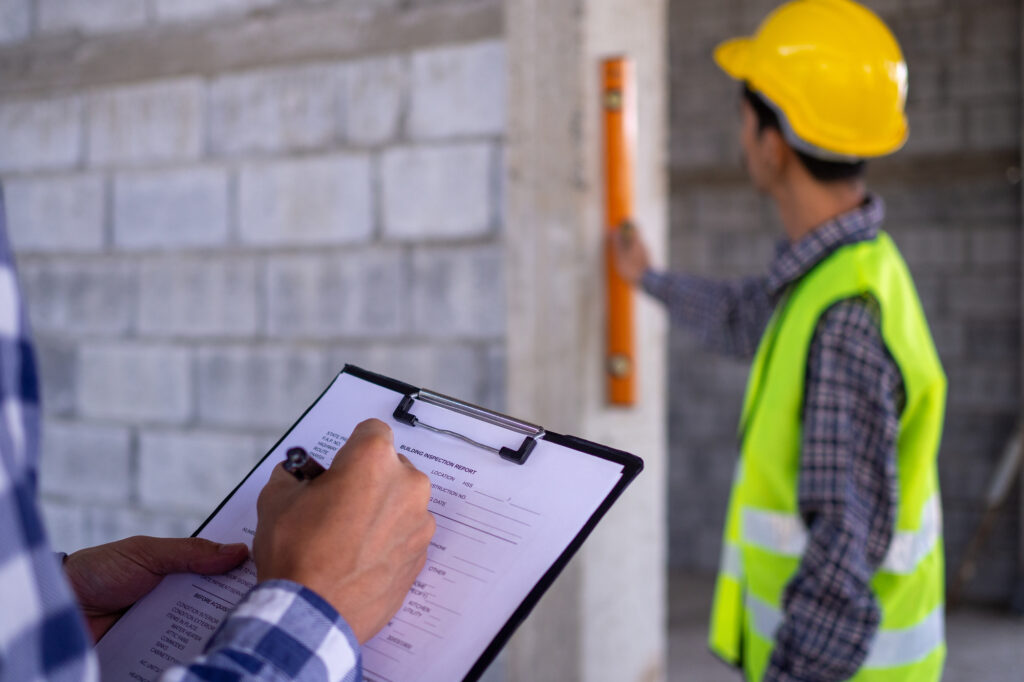
A commercial inspection report is a roadmap to understanding a property’s true condition. These reports typically include detailed notes on the structure, systems, safety features, and code compliance, along with photographs and recommendations from the inspector.
Once you receive the report, the next step is interpreting the findings. Are the issues cosmetic or critical? Are they quick fixes or costly repairs? This is where a trusted advisor can help prioritize concerns. Armed with this knowledge, buyers can negotiate a better price, request the seller to handle certain repairs, or even walk away from the deal if the risks outweigh the rewards. The inspection report empowers buyers to make confident, well-informed decisions.
Who Pays for the Inspection?
In most commercial real estate deals, the buyer typically covers the cost of the inspection. While it may seem like an added expense, it’s a smart investment. Paying for a thorough inspection gives the buyer control over which professionals are hired and ensures an unbiased, comprehensive evaluation. Whether it’s a small office or a large industrial space, uncovering issues early can save tens of thousands in surprise repairs or legal trouble. For buyers, footing the bill for an inspection is about peace of mind and protecting their investment before signing on the dotted line.
Why Choose Nook-N-Kranny for Commercial Inspections?
Partnering with the right team can make all the difference in a commercial real estate transaction. At Nook-N-Kranny, our experienced inspectors go beyond the basics to uncover hidden issues, evaluate compliance, and give you a clear understanding of the property’s condition. Whether you’re buying, leasing, or investing, our detailed reports help you make confident, informed decisions. Don’t take risks with your investment—schedule your commercial property inspections with us today and move forward with peace of mind.