When managing or owning a commercial property, there are many elements that could cause risk and damage to the building. Risk management can be helpful to the longevity of your business, keeping everyone safe, and ensuring you can safely operate or produce a product. Commercial property inspections provide a bird ’s-eye view of the condition, potential risks, and current damage of the building. Work with a professional inspector to ensure your building meets safety standards and is completed in a thorough manner. Learn more about what to expect during the service below.
Walk-through Survey
The first step in a commercial inspection is the walk-through, which will look at all your systems and establish a baseline of the quality of the property. The inspector will be on-site to look at the physical condition and operation of critical systems. Inspectors will look at heating and cooling systems, the foundation, roof, drainage, doors, windows, and other safety components.
Documents And Records
During the service, an inspector may request documents and records that relate to the property. Lease agreements, certificates of occupancy, building codes, service contracts, and repair invoices may be requested during a commercial inspection. By providing these documents and reports during the inspection, they will be able to see where issues have occurred in the past and have a clear understanding of the building’s history. These documents can help support the final inspection report as well.
Inspection Report
The final product of a commercial property inspection is the written report. This report will contain all the details of the walk-through and any interviews they may have had with third parties. This report will provide insight for homeowners or repair teams before they proceed. The report will include a detailed summary of their findings and highlight the property’s strengths. A report is needed if any problems need to be addressed before the property can be sold.
Issues Reported From A Commercial Property Inspection
When your commercial property inspector comes to your property, they will look at a variety of systems and parts of the property. The report will include insights about the following areas.
Compromised HVAC Systems
While your HVAC system will have a life expectancy of 15-20 years, it should be inspected and maintained to ensure proper function. Inspectors will check ductwork, rooftop units, and inconsistent temperature zones. If the property’s HVAC system is compromised, they may recommend repairs or working with an HVAC specialist.
Roofing Problems
Some of the first problems that occur on commercial properties are with the roofing. Leaks from old roofing materials, weak roof materials, or cracked membranes can also become a liability. Putting off roof repairs can lead to major concerns inside the building. During a commercial property inspection, roofing materials, structure, gutters, and the weight-bearing ability will all be tested.
Plumbing Issues
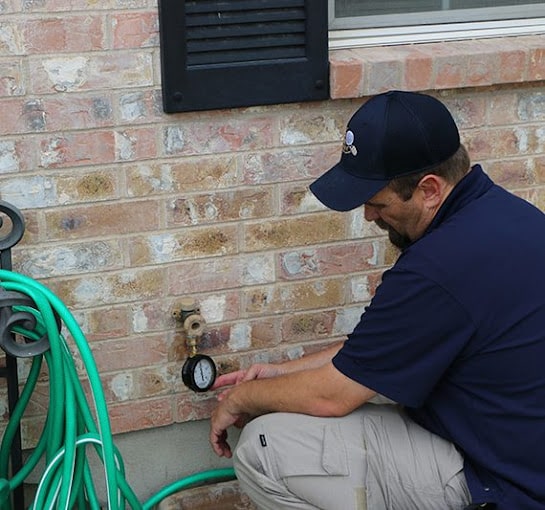
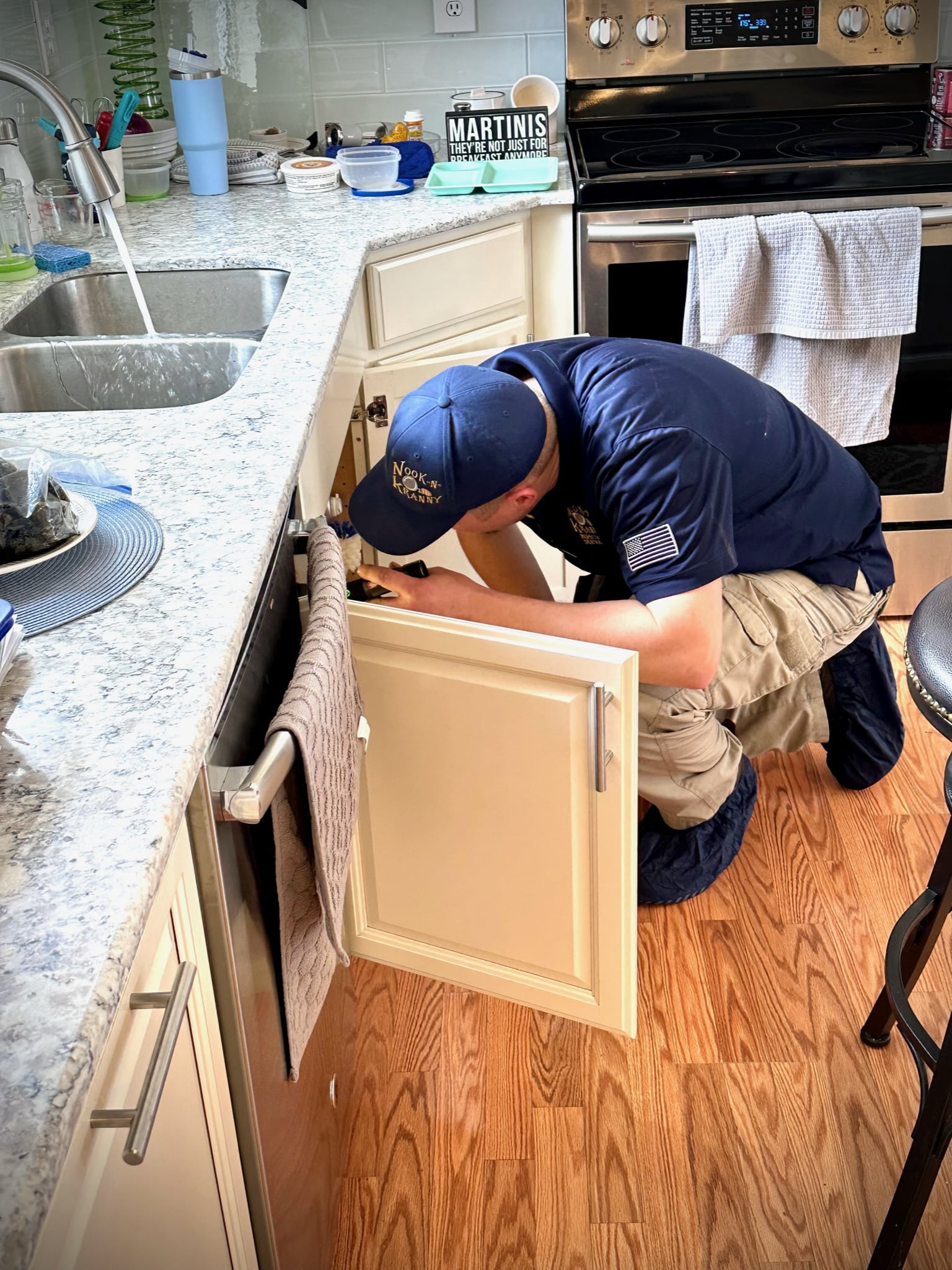
Plumbing issues are common, but when left alone, they can impact the longevity of a public building. Plumbing is so important to those who use or work in your commercial building, so having it inspected can help you catch problems before they destroy your structural integrity.
Electrical Deficiencies

Electrical problems can hold up your normal operations and put the building at risk of electrical fires. Overloaded breaker panel, outdated wiring, or double-tapped circuits can be detrimental when used on a long-term basis. Inspectors will look at every electrical component and provide options on how to improve your electrical system.
Poor Drainage
Draining is one of the most common problems in a commercial building, which can lead to foundation issues, damage to landscaping, and mold growth. Because drainage issues are often overlooked, looking for them during a commercial property inspection signals a quality inspector.
Cracked Foundation
While some foundation cracks are cosmetic, others are a cause for concern. Structural instability can be caused by a damaged foundation and needs to be addressed to keep everyone safe. If inspectors notice horizontal cracks in walls, uneven flooring, or signs of shifting, this will be reported in the written report.
Mold or Mildew
While mold testing is part of an inspection, looking for signs of mold and mildew may not always be easy. Inspectors will need to look in hidden areas or small corners to see signs of mold and mildew. The most common cause of mold is due to poor ventilation, so handling the ventilation issues can keep your building safe and healthy.
Commercial Inspections From Nook-N-Kranny
Being in the dark about the state of your building can be detrimental to your business. Nook-N-Kranny offers quality home and commercial property inspections to help bring peace of mind about the safety and durability of the space. Our team is unbiased, comprehensive, and efficient. Letting property issues go untreated can interfere with business operations down the line. Contact our experts to have peace of mind before purchasing a commercial property.