
Most homeowners are familiar with common indoor air quality concerns like dust, mold, or allergens, but radon is often overlooked because it cannot be seen, smelled, or tasted. Radon can build up over time without obvious warning signs.
Long-term exposure to elevated radon levels is a serious health concern, which is why understanding how radon enters a home is so important. Many homes contain small openings and hidden gaps that allow radon gas to move inside from the soil below.
Nook-N-Kranny helps homeowners identify radon risks through professional radon testing and mitigation services designed to improve indoor air safety.
What is Radon?
Radon is produced naturally as uranium breaks down in soil, rock, and groundwater. Because these materials are found almost everywhere, radon exists throughout many regions at varying levels.
Outdoors, radon usually disperses harmlessly into the atmosphere. Indoors, however, it can become trapped and concentrated, especially in lower levels like basements and crawl spaces. The challenge with radon is that there are no immediate symptoms that clearly signal exposure. Testing is the only reliable way to determine whether radon levels inside a home are elevated.

Why Homes Naturally Draw in Radon
Many homeowners are surprised to learn that homes naturally pull air upward from the ground. Warm air rising inside the home creates pressure differences that act almost like a vacuum.
As indoor air moves upward and escapes through the roof or upper levels, replacement air is drawn in from lower areas of the home. Unfortunately, this process can also pull radon gas through small openings in the foundation and surrounding structure.
Even well-built homes can allow radon entry because tiny gaps and cracks are extremely common.
Common Entry Points for Radon
Cracks in Foundation Floors and Walls
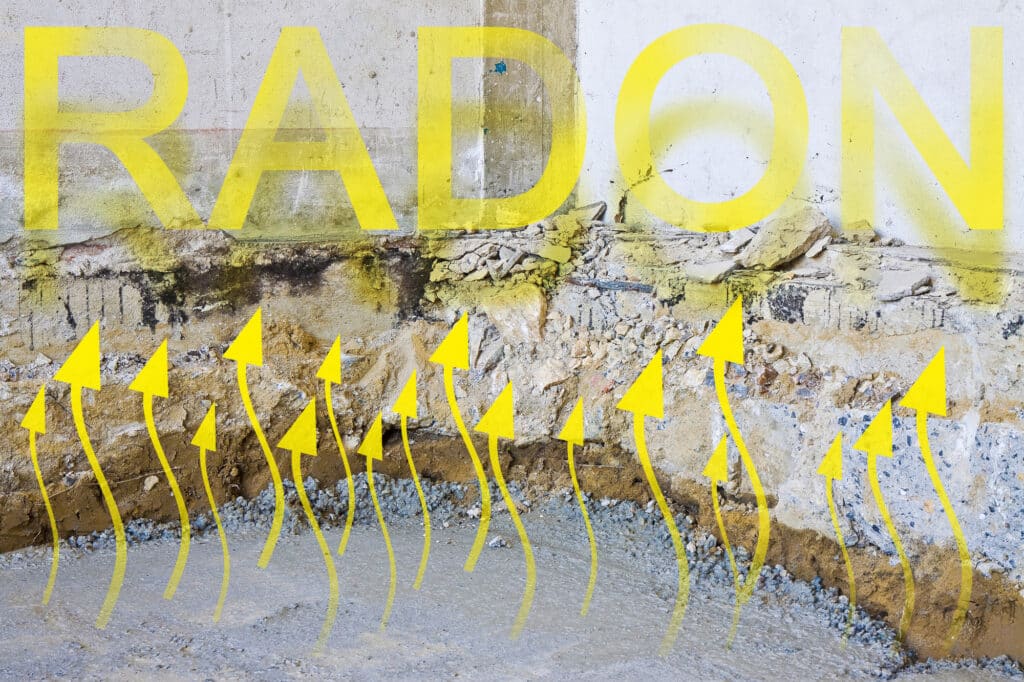
One of the most common ways radon enters a home is through cracks in concrete foundations. Over time, concrete naturally develops small cracks due to settling, temperature changes, and normal structural movement.
Although these openings may appear minor, they can allow soil gases like radon to seep into the home continuously. Even hairline cracks can become pathways for gas movement over time. Basements are especially vulnerable because they are located closest to the soil where radon originates.
Gaps Around Pipes and Utility Lines
Openings where plumbing pipes, electrical wiring, gas lines, or other utilities enter the home are another common way radon enters your home.
These spaces are often hidden behind walls, in utility rooms, or around unfinished basement areas, making them easy to overlook. If gaps around these penetrations are not properly sealed, radon gas can move through them and into living spaces.
Sump Pumps and Drain Systems
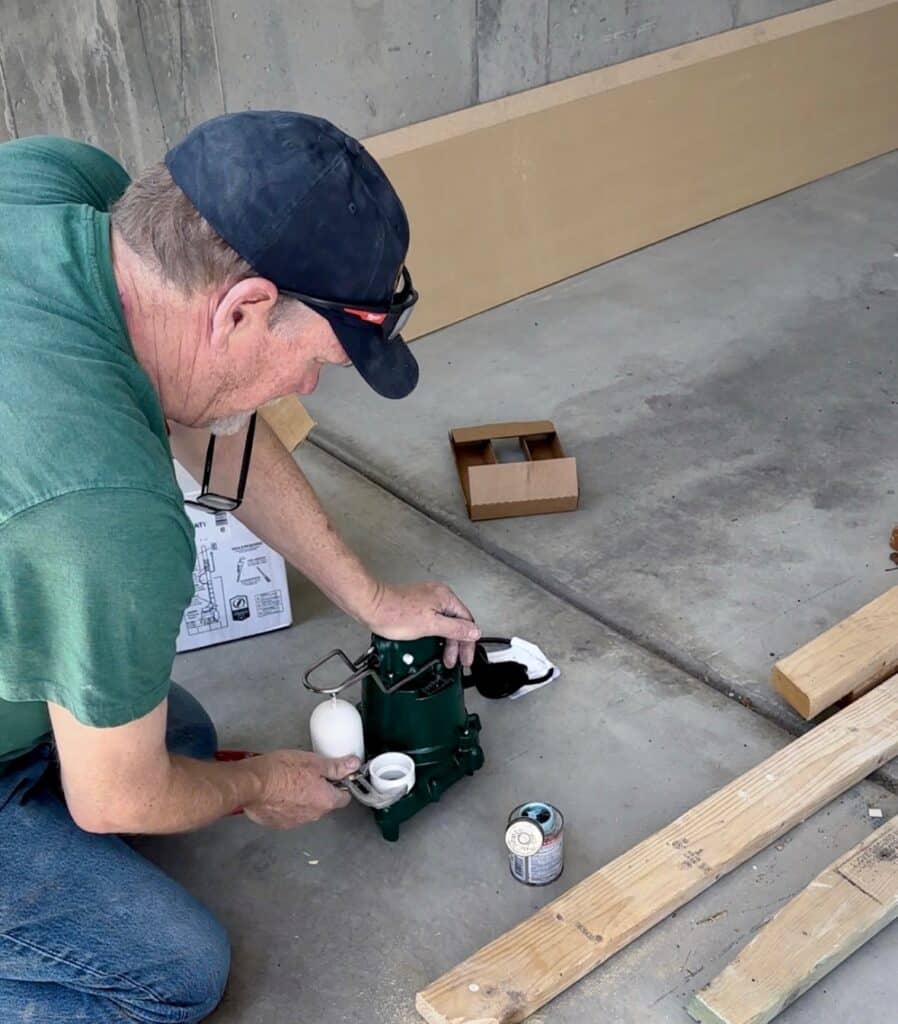
Sump pumps are designed to help manage water beneath the home, but they can also create a direct connection between indoor air and the soil below the foundation. Open sump pits or poorly sealed drain systems may allow radon gas to enter the home more easily. Since these systems are often located in basements, the gas can accumulate quickly if ventilation is limited.
Crawl Spaces
Homes with crawl spaces may face increased radon risks, especially if the crawl space contains exposed dirt floors. Soil in these areas can release radon gas directly beneath the home. Without proper barriers or ventilation, radon enters upward into the living space above. Crawl spaces are often forgotten because they are not used regularly, but they can significantly affect indoor air quality.
Construction Joints
Construction joints are the areas where different sections of the foundation meet, such as where floors connect to walls. These joints often contain small openings that are difficult to see but large enough for radon gas to pass through. Because these spaces are built into the structure itself, many homeowners do not realize they exist as a way radon enters their space. However, radon commonly moves through these hidden gaps.
Well Water
Although less common, radon can sometimes enter a home through well water. This issue is more likely in homes that rely on private wells rather than municipal water systems. When water containing radon is used for showering, cooking, or washing, the gas can be released into the air inside the home.
Can New Homes Have Radon Problems Too?
Some people assume radon only affects older homes, but that is not true. New homes can also develop elevated radon levels. Modern construction methods often make homes more energy efficient and tightly sealed, which can unintentionally trap radon indoors more easily. Even newly poured foundations can contain small openings or gaps that allow soil gases to enter.
Because radon can affect homes of any age, testing is recommended regardless of when the house was built.
Protect Your Home with Help from Nook-N-Kranny
Nook-N-Kranny provides professional radon testing and mitigation services to help homeowners better understand their indoor air quality and reduce potential risks. Our team can identify problem areas, recommend solutions, and help create a safer living environment.
If you are concerned about radon exposure, contact us at Nook-N-Kranny today to schedule professional radon testing and protect your home and family.