Nook-N-Kranny Home Services

Nook-N-Kranny Home Services

Schedule Now
801-698-6467
  • Inspection Services
    • Home Inspection
    • Commercial Inspections
    • New Construction Inspections
    • Pre-Listing Inspection
    • Partial Inspection
    • Plumbing and Sewer Inspection
    • Solar Panel Inspection
    • Radon Testing
    • Meth Testing
  • Plumbing
    • Emergency Plumber
  • Mold Remediation
  • About
    • Specials
    • Service Area
    • Testimonials
    • Blog
  • Contact

What is the Difference Between Mold and Mildew? Important Differences to Know

You are here: Home / Archives for Home Inspector

We’ve all heard of mold and mildew, but what is the difference between the two? It can be very difficult to tell the difference if you aren’t aware of their distinct characteristics and properties. This blog will teach you about the difference between mold and mildew and tips on how to control their growth.

Definition and Characteristics of Mold and Mildew

Mold and mildew are both types of fungi, but they differ in definition, appearance, and texture.
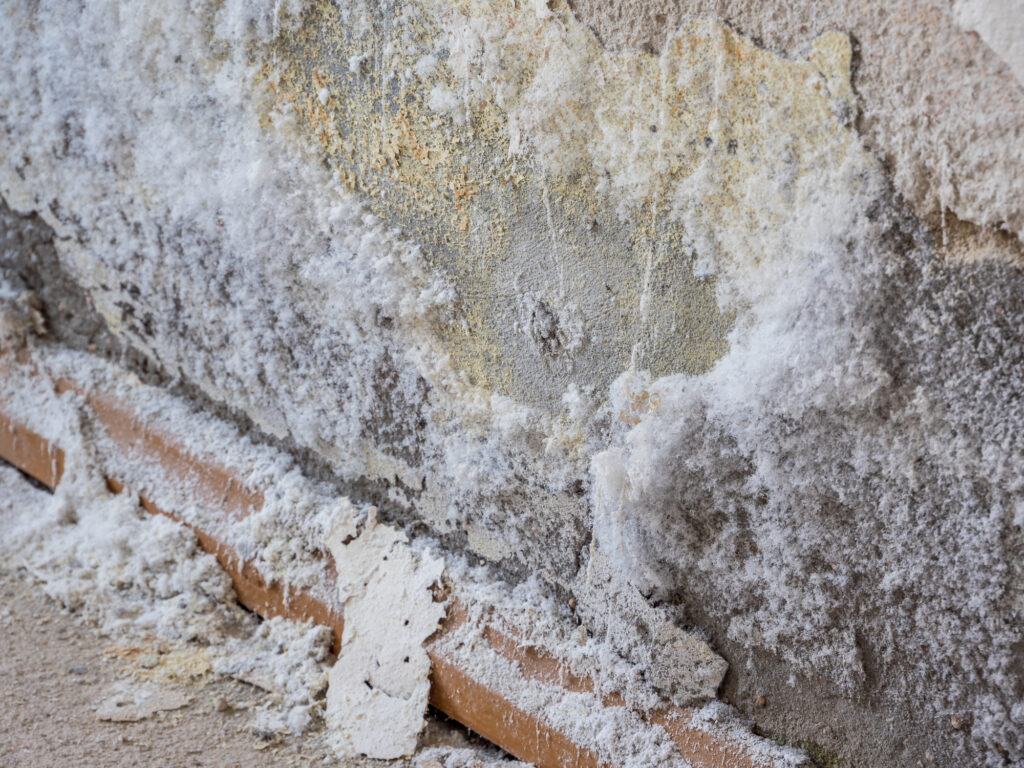
What is the Difference Between Mold and Mildew?

Mold is a type of fungus that grows in the form of multicellular filaments called hyphae. It thrives in damp, warm, and humid environments and can appear in a variety of colors, including black, green, blue, or white. Mold often has a fuzzy or slimy texture and can penetrate the surface it grows on, causing structural damage.

Mildew, on the other hand, is a specific type of mold that generally remains on the surface of moist areas. It typically appears as a thin, powdery, or fluffy growth that is white, yellow, or gray. Mildew is most commonly found on organic materials like plant leaves, paper, fabrics, and in areas with high humidity, such as bathrooms and basements.

The key differences between mold and mildew lie in their color, texture, and the depth of penetration into surfaces. Mold is usually darker and can cause more extensive damage, while mildew is lighter and easier to clean.

Growth Environments

Typical environments where mold thrives include damp, warm, and humid areas with poor ventilation. Mold often grows in basements, bathrooms, kitchens, and laundry rooms where moisture is prevalent. It can also be found in hidden areas such as behind wallpaper, under carpets, or inside wall cavities where leaks or high humidity persist. Mold spores can attach to various surfaces, including wood, drywall, carpet, and insulation, and proliferate when conditions are favorable.

Mildew commonly thrives in slightly different environments. While it also requires moisture, mildew is more likely to be found on the surface of organic materials. This includes plants, leather, paper, and fabrics, as well as in bathrooms, kitchens, and other high-humidity areas. Unlike mold, mildew does not penetrate deeply into materials but instead remains on the surface, creating a powdery or fluffy appearance.

Conditions that promote growth for both mold and mildew include high humidity, poor ventilation, and the presence of organic materials that can serve as a food source. For mold, temperatures between 77°F and 86°F (25°C to 30°C) are ideal, though it can grow in a broader temperature range. Both fungi require moisture, whether from leaks, condensation, or high humidity levels are 60%. Inadequate airflow and poor maintenance practices, such as infrequent cleaning or delayed repair of water damage, further contribute to their proliferation.

Health Risks Associated with Mold Exposure

Here are some of the health risks associated with mold exposure:

  • Nasal congestion
  • Throat irritation
  • Coughing
  • Wheezing
  • Eye irritation
  • Skin rashes
  • Asthma attacks
  • Chronic respiratory issues
  • Chronic sinus infections
  • Neurological issues
  • Organ damage
  • Allergic reactions
  • Fatigue
  • Headaches

Health Risks Associated with Mildew Exposure

Here are health risks associated with mildew exposure, which are very similar to mold exposure:

  • Coughing
  • Sore throat
  • Nasal congestion
  • Headaches
  • Mild skin irritations
  • Respiratory issues
  • Eye irritation
  • Allergy symptoms
  • Sneezing
  • Fatigue

While both mold and mildew can affect indoor air quality and health, mold generally poses more severe health risks compared to mildew.
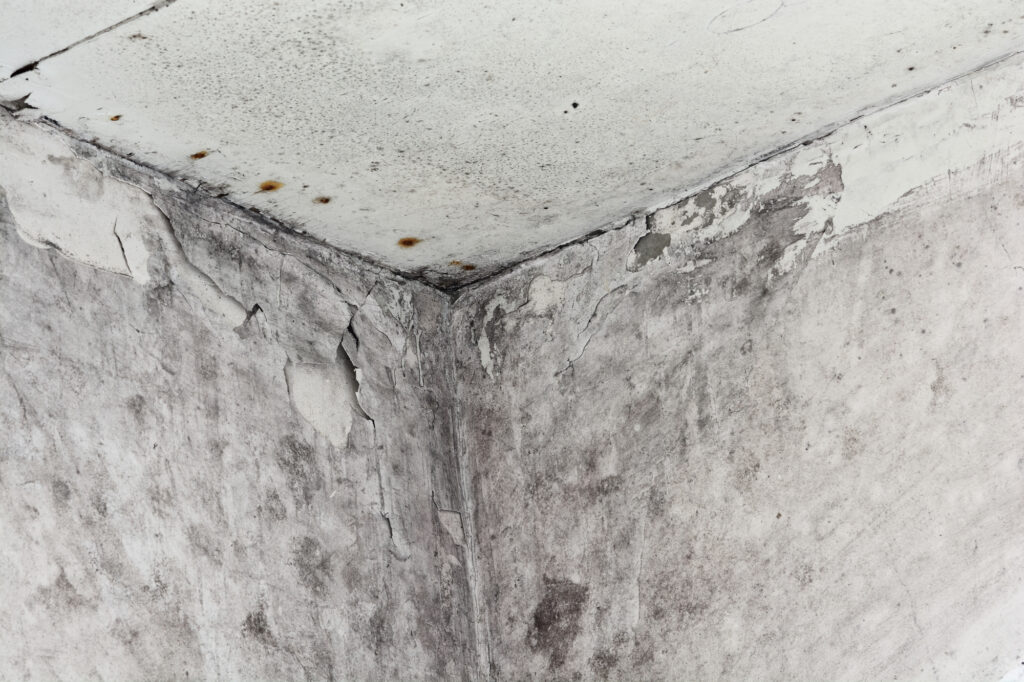
What is the Difference Between Mold and Mildew?

Identification

Identifying mold in your home or workplace involves looking for signs such as discoloration on walls, ceilings, or floors, typically in shades of black, green, or blue. Mold often has a fuzzy or slimy texture and a musty odor. You can identify mildew by its powdery or fluffy appearance, usually white, yellow, or gray, on surfaces like bathroom tiles, fabrics, and plant leaves.

Tools and techniques for proper identification include moisture meters to detect dampness, black light to spot mold growth, and mold test kits for collecting and analyzing samples. Professional inspections are recommended for accurate identification and assessment.

Prevention Tips for Mold and Mildew Growth

Maintaining low indoor humidity (below 60%), promptly fixing leaks, ensuring proper ventilation in moisture-prone areas, and using dehumidifiers are all ways to prevent mold growth. Regularly cleaning and drying areas prone to moisture also helps. Preventing mildew mildew growth involves similar strategies, in addition to cleaning surfaces with mildew-resistant products.

Removal and Treatment for Mold and Mildew Growth

Removing mold and mildew can be done in several different ways. Commercial mold and mildew cleaners, or homemade solutions like vinegar or a mixture of bleach and water, are effective methods. You can also scrub affected areas with a brush and allow enough time for the surface to thoroughly dry to prevent regrowth.

If mold covers an area larger than 10 square feet, if you have persistent health issues, or if the mold is caused by sewage or contaminated water, it is crucial to call professionals. Experts can provide thorough cleaning, repair structural damage, and ensure mold doesn’t return to provide safety and effectiveness.

Choose Nook-N-Kranny for Mold Remediation

Nook-N-Kranny is highly skilled and trained in handling mold infestations through our remediation services. We know the dangers that are associated with mold exposure, so we are sure to eradicate the problem completely to get your property safe. Contact us today if you have a mold problem that needs to be addressed by professionals, and we will get it taken care of.

Filed Under: Home Inspector

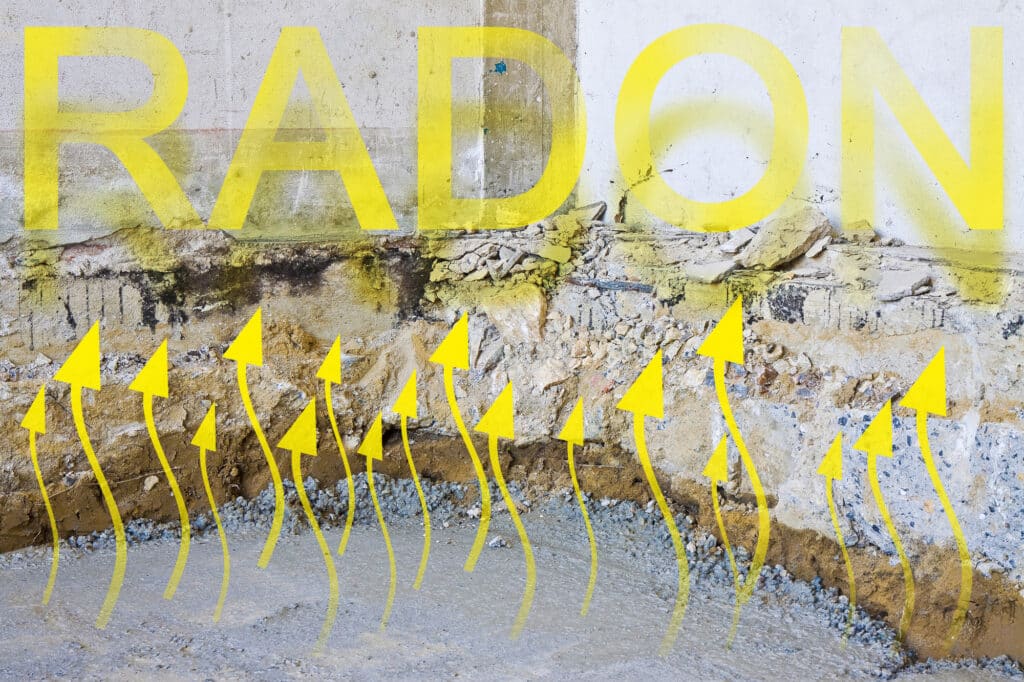
Radon gas, an invisible and odorless radioactive gas, often lurks undetected in many homes and buildings, posing serious health risks. Understanding where radon is commonly found can be crucial for safeguarding your living environment. In this blog, we’ll explore the surprising locations where radon tends to accumulate, from basements to well water, and explain why awareness and mitigation are essential. Join us as we uncover the hidden dangers of radon and provide practical tips to ensure your home remains safe.

where is radon gas commonly found

What is Radon?

Radon is a colorless, odorless, and tasteless radioactive gas. It is produced naturally from the decay of uranium found in soil, rock, and water. As uranium breaks down, radon gas is released and can accumulate in enclosed spaces like homes and buildings. Due to its properties, radon can seep through cracks in foundations, gaps around pipes, and other openings. Elevated radon levels pose significant health risks, particularly lung cancer, making it crucial to understand and mitigate its presence.

Radon in Geographic Locations

Radon levels can vary significantly by region due to geological and soil composition factors. Areas with high concentrations of uranium in the soil, rock, and water tend to have elevated radon levels. For instance, regions with granite or shale formations often exhibit higher radon emissions.

Soil permeability also influences radon concentration. Regions with loose, porous soil allow radon gas to move more freely and accumulate in buildings. Understanding these geographic and environmental factors helps identify high-risk areas and emphasizes the importance of regular radon testing and mitigation in such regions.

Radon in Homes

Radon gas commonly enters homes through cracks in foundations, gaps around pipes, sump pits, and construction joints. These entry points allow radon gas from the soil to seep into living spaces. Basements and crawl spaces are particularly high-risk areas because they are closest to the ground, where radon concentrations are typically higher.

The construction type and foundation of a home significantly affect radon levels. Homes with basements or crawl spaces are more susceptible to radon infiltration compared to those built on concrete slabs or stilts. Newer homes may also have tighter construction that traps radon gas more effectively, while older homes with more ventilation may allow radon to escape more easily but still require attention to potential entry points.

Radon in Water

Radon can enter water supplies from the ground, particularly in areas with high uranium content. This is more common in private wells than in municipal water systems. Private wells draw water directly from underground sources, which can have higher radon levels due to the proximity to radon-producing soil and rock. In contrast, municipal water systems typically treat and aerate water, which reduces radon concentration before distribution.

where is radon gas commonly found

Health risks of radon in drinking water include an increased risk of stomach cancer when ingested, although this risk is lower compared to the risk of lung cancer from inhaling radon released from water during activities like showering, cooking, and laundry. It is crucial to test and treat well water in high-radon areas to ensure safe drinking water.

Identifying and Testing for Radon

Identifying and testing for radon is crucial to ensure safety in both residential and non-residential environments. Short-term tests, typically lasting 2-7 days, provide quick insight into the radon levels using activated charcoal canisters, alpha-track detectors, or electronic devices. Long-term tests, lasting 3-12 months, offer more accurate averages and are ideal for understanding seasonal variations. 

Professional testing involves certified technicians who use sophisticated equipment to assess radon levels accurately. They provide comprehensive reports and recommendations for mitigation if necessary. DIY testing kits are a cost-effective alternative and are available at hardware stores or online. 

Choose Nook-N-Kranny for Radon Testing

Nook-N-Kranny’s team of professionals are experts in radon testing. We have all the best tools and equipment to effectively test your home for radon, and we will get your results back to you as quickly as possible. If you are wanting to have peace of mind and put the job in the hands of professionals, contact us today.

Mitigation and Prevention

Mitigation and prevention of radon exposure involve several effective techniques. Key radon mitigation methods include improving ventilation and sealing cracks in the foundation. Ventilation systems, such as sub-slab depressurization, draw radon from beneath the building and release it outside, preventing accumulation. Sealing cracks and openings in the foundation and walls reduces radon entry points, enhancing the overall effectiveness of mitigation efforts.

Professional radon mitigation services are crucial for accurately assessing radon levels and implementing appropriate solutions. Certified professionals have the expertise and equipment to install and maintain mitigation systems effectively, ensuring long-term safety.

Filed Under: Home Inspector

Mold growth is a common problem that occurs in homes in damp, wet areas. If mold goes uncontrolled, it can quickly spread and create serious issues. Knowing how to prevent mold growth is important and essential. This blog will give you several tips on how to prevent mold growth and address any mold issues that may arise.

prevent mold growth, Ogden

What is Mold?

Mold is a common type of fungus that consists of small organisms found almost everywhere. They can be black, white, orange, green, or purple and thrive on moisture. Molds reproduce by releasing tiny spores that float through the air. Here are some common types of mold:

  • Cladosporium: Often found on wood, carpets, and fabric. It can grow in both warm and cool areas.
  • Penicillium: Known for its blue or green appearance and can be found on materials like carpets, wallpapers, and insulation. It can spread very rapidly.
  • Aspergillus: Commonly found in house dust and it can lead to respiratory problems and infections in people with weakened immune systems.
  • Stachybotrys: Grows on materials with a high cellulose content, such as paper, fiberboard, and gypsum board, especially when they become damp or water-damaged.

Mold thrives in certain conditions, which you should be aware of. Mold thrives in damp, humid environments, so areas with leaks, condensation, or water infiltration are prime spots for mold growth. It grows best in warm conditions, typically between 60-80 degrees Fahrenheit, though some molds can grow in cooler or warmer conditions. Mold also requires oxygen to grow, which is why it doesn’t grow underwater but can thrive on materials that are wet.

Dangers of Mold

Exposure to mold can pose serious health risks if it’s left unchecked. Here are some short-term and long-term health effects of mold exposure:

Short-Term Effects

  • Respiratory Issues: Inhalation of mold spores can cause nasal stuffiness, throat irritation, coughing, and wheezing, especially in people with respiratory conditions such as asthma. 
  • Eye and Skin Irritation: Mold exposure can lead to itchy, red eyes, and skin irritation.
  • Allergic Reactions: Individuals sensitive to mold may experience allergic reactions such as sneezing, runny nose, and dermatitis.

Long-Term Effects

  • Chronic Respiratory Conditions: Prolonged exposure to mold spores can lead to chronic respiratory issues, such as chronic sinusitis and exacerbation of asthma.
  • Immune System Suppression: Mold exposure can weaken the immune system and make the body more susceptible to infections.
  • Toxic Effects: Some molds produce mycotoxins that can lead to more severe health problems, including neurological issues and immune system suppression.
ogden, prevent mold growth

Tips to Prevent Mold Growth

Prevention is the best strategy when it comes to controlling mold growth. Here are some ideas for prevention strategies:

Control Humidity Levels

As we mentioned earlier, mold thrives in humid environments so controlling humidity levels is the first step to prevent mold growth. Indoor humidity levels should be below 60% to create a dry enough environment that mold growth can be controlled. If the air is not naturally less humid, you can use dehumidifiers and air conditioners to lower levels of humidity and create more dry air.

Proper Ventilation

Bathrooms and kitchens are high-moisture areas due to activities like showering and cooking, so it is important they have proper ventilation. Exhaust fans can help to expel moist air, reducing the chance of condensation and helping to prevent mold growth. The exhaust fans should be vented to the outside and not just the attic or another space where moisture can accumulate. 

Proper attic ventilation prevents heat and moisture buildup, which can lead to mold growth on insulation and wooden structures. You should install ridge vents, soffit vents, or attic fans to enhance air flow. Basements are also an area where mold frequently grows, so a ventilation fan or dehumidifier should be used to keep the air dry and reduce the potential for mold growth.

Fix Leaks Promptly

Plumbing fixtures, pipes, and connections should be periodically inspected for leaks because even small drips can create a moist environment conducive to mold growth. Water alarms can be installed in areas prone to leaks to get early warnings of moisture issues if you’re really worried about it. You should also inspect your roof regularly for missing or damaged shingles and flashing, and any problems should be addressed promptly to prevent water from seeping into the attic or walls. 

Waterproofing

There are some ways to waterproof basements and foundations, including applying waterproof coatings or sealants to basement walls and floors to create a barrier against moisture. You can consider installing a sump pump if your basement is prone to flooding, as well. Moisture-resistant building materials can be used in areas that are frequently damp, such as vinyl flooring instead of carpet in basements. Windows and doors should also be properly sealed with weather stripping and caulking. 

Regular Cleaning and Maintenance

prevent mold growth, ogden utah

Routine cleaning of areas prone to mold can make a big difference in preventing mold growth. Bathrooms, kitchens, basements, and other areas prone to moisture should be regularly cleaned using mold-killing cleaning solutions, such as vinegar or commercial mold removers. Special attention should be paid to areas behind appliances, under sinks, and around showers and tubs.

By implementing these strategies, you can significantly reduce the risk of mold growth in your home and ensure a healthier living environment for you and your family.

Choose Nook-N-Kranny for Mold Remediation

Even if you implement preventative measures, you may still experience mold growth in your home. If mold goes untreated, it can quickly spread and create a serious problem. If this happens to you, Nook-N-Kranny has professional mold remediation services available. We can address mold infestations and get your home safe again as quickly as possible. Contact us today to get on our schedule.

Filed Under: Home Inspector

  • « Previous Page
  • 1
  • …
  • 6
  • 7
  • 8
  • 9
  • 10
  • …
  • 12
  • Next Page »

At Nook-N-Kranny, one call does it all! We can help with a wide variety of services, such as home and commercial inspections, plumbing, and mold remediation.

Location

2454 US-89
OGDEN, UT 84404
Main: 801-698-6467
Alt #: 385-442-7640
Monday 9 AM - 5 PM
Tuesday 9 AM - 5 PM
Wednesday 9 AM - 5 PM
Thursday 9 AM - 5 PM
Friday 9 AM - 5 PM
Saturday Closed
Sunday Closed

Links

  • Home and Commercial Inspections
  • Plumbing
  • Mold Remediation
  • About
  • Contact

Follow Us


award

2026

Nook-N-Kranny Home Services

All Rights Reserved

Privacy Policy

Terms

SMS Privacy Policy

SMS Terms

Sitemap

XML Sitemap

Site by PDM