Nook-N-Kranny Home Services

Nook-N-Kranny Home Services

Schedule Now
801-698-6467
  • Inspection Services
    • Home Inspection
    • Commercial Inspections
    • New Construction Inspections
    • Pre-Listing Inspection
    • Partial Inspection
    • Plumbing and Sewer Inspection
    • Solar Panel Inspection
    • Radon Testing
    • Meth Testing
  • Plumbing
    • Emergency Plumber
  • Mold Remediation
  • About
    • Specials
    • Service Area
    • Testimonials
    • Blog
  • Contact

How to Prepare Your Home for a Successful Inspection: Tips for Sellers

You are here: Home / Archives for Home Inspector

Selling your home can be a stressful process, but a successful inspection can make all the difference. To impress potential buyers and secure a smooth transaction, it’s crucial to prepare your home effectively. From tackling minor repairs to setting the right atmosphere, this blog offers practical tips to help you prepare your home for a successful inspection and present your home in its best light. Follow these steps to ensure your inspection goes off without a hitch and increases your chances of a successful sale.

Steps to Prepare Your Home for a Successful Inspection

How to Prepare Your Home for a Successful Inspection: Tips for Sellers

1. Clean and Declutter

    A successful inspection starts with a clean home. Take the time to thoroughly clean every area, including floors, windows, and appliances. Pay special attention to often-overlooked spots like baseboards, light fixtures, and inside cabinets. A spotless home not only makes a great impression but also allows inspectors to see the true condition of your property without distractions.

    Decluttering is equally important. Remove excess items from countertops, shelves, and closets to create a tidy, organized space. An uncluttered home appears more spacious and well-maintained, making it easier for inspectors to navigate and assess. Use storage solutions like bins or baskets to keep things orderly, and consider temporarily storing items offsite if needed.

    2. Address Minor Repairs

      Before an inspection, it’s crucial to repair any minor plumbing issues like leaks and drips. These small problems can raise red flags, suggesting larger, underlying issues. Fixing them not only improves your home’s condition but also shows that it’s well-maintained.

      Take care of any cosmetic damage, such as drywall cracks, chipped paint, or small holes. These imperfections might seem minor, but they can detract from the overall appearance and give the impression of neglect. A quick patch job and a fresh coat of paint can make a big difference.

      Make sure all fixtures, like light fixtures, door handles, and faucets, are working properly. Tighten loose handles, replace burned-out bulbs, and fix any wobbly hardware. These small repairs help create a positive impression during an inspection.

      3. Ensure Accessibility

        It’s essential to provide clear access to key utility areas, such as the attic, basement, and electrical panels to prepare your home for a successful inspection. Inspectors need to reach these areas easily to check for potential issues like wiring problems, insulation quality, or water damage. Clear away any obstacles, move storage boxes, and ensure that doors to these spaces open fully. This not only speeds up the inspection process but also demonstrates that your home is well-organized and ready for a thorough check.

        Ensure that every room in your home is accessible to the inspector. Unlock any closed doors, remove obstructions, and make sure nothing hinders the inspector’s ability to enter and access each space. This helps the inspection go smoothly and ensures that no areas are overlooked.

        4. Check Major Systems

          Before an inspection, make sure your heating and cooling systems are in good working order. Replace air filters, clean vents, and ensure the systems are operational. A well-maintained HVAC system demonstrates proper upkeep and ensures efficient performance.

          Verify that all electrical systems are current and functioning correctly. Check for exposed wires, test outlets, and ensure circuit breakers are labeled and operational. An up-to-date electrical system is crucial for safety and functionality, reflecting well on the overall condition of your home.

          Inspect your plumbing for any issues. Check for leaks under sinks, test faucets for proper water pressure, and ensure toilets flush correctly. Addressing any plumbing problems beforehand prevents surprises and shows that the home is well-maintained.

          How to Prepare Your Home for a Successful Inspection: Tips for Sellers

          5. Address Exterior Issues

            Check your roof and gutters for visible damage or debris before an inspection to prepare your home for a successful inspection. Look for missing shingles, leaks, or clogged gutters. Removing debris and repairing any damage ensures that your roof is in good condition and prevents potential water damage to the interior.

            Examine the foundation and siding for any noticeable issues such as cracks or gaps. Small cracks in the foundation or damage to the siding can signal underlying problems. Address these issues by sealing cracks and repairing any damaged areas to maintain the home’s structural integrity and improve curb appeal.

            6. Provide Documentation

              Another way to prepare your home for a successful inspection, compile and provide records of recent repairs and upgrades. This documentation demonstrates that the home has been well-maintained and helps reassure potential buyers of its condition.

              Ensure that warranties and manuals for major systems and appliances are readily available. Having these documents on hand shows that you’ve taken good care of the home’s essential components and can provide valuable information for future maintenance or repairs.

              7. Set the Right Atmosphere

                Create a welcoming atmosphere by making sure your home is clean, well-lit, and comfortably arranged. Set the thermostat to a pleasant temperature and add some fresh flowers or plants to enhance the appeal. You should also eliminate any unpleasant odors by thoroughly cleaning carpets, upholstery, and other surfaces. Use air fresheners or natural solutions like baking soda to ensure a fresh-smelling environment, making a positive impression on the inspector.

                Choose Nook-N-Kranny for Inspection Services

                At Nook-N-Kranny, we specialize in comprehensive home inspection services designed to help sellers present their properties in the best possible light. Our expert team conducts thorough inspections, covering everything from structural integrity to electrical and plumbing systems. We provide detailed reports that highlight potential issues and offer actionable recommendations. With our precise and professional approach, you can confidently address any concerns before listing your home, ensuring a smoother and more successful sale process. Contact us today to schedule your home inspection.

                Filed Under: Home Inspector

                When selling a home, the last thing you want is for an electrical issue to derail the process. From outdated wiring to overloaded circuits, electrical problems can be deal-breakers during a home inspection. But with a little preparation, you can address these issues before they become a stumbling block. In this blog, we’ll explore common electrical problems found during inspections and offer practical solutions to help you get your home ready for the market.

                Common Electrical Problems Found During Inspections

                Here are some of the most common electrical problems found during inspections:

                4 Common Electrical Problems Found During Home Inspections and Solutions

                1. Outdated Wiring

                  Older homes often come with outdated wiring systems, such as knob-and-tube or aluminum wiring. These types of wiring were common in the past but are now considered unsafe by modern standards. Knob-and-tube wiring, for example, lacks grounding and can become brittle over time, increasing the risk of electrical fires. Aluminum wiring, used primarily in the 1960s and 1970s, is prone to overheating and may cause sparks at connections, leading to potential fire hazards. During inspections, outdated wiring is a red flag that indicates the need for upgrades to ensure the home’s electrical system meets current safety standards.

                  2. Overloaded Circuits

                    Overloading occurs when too many devices are plugged into a single circuit, leading to tripped breakers, flickering lights, and fire risks. Addressing overloads is essential for home safety and electrical efficiency.

                    3. Faulty Outlets and Switches

                      Non-functional outlets, loose switches, and exposed wiring are common and pose serious safety risks like arcing and electrical shocks. Ensuring these components are in good condition is vital for a safe home.

                      4. Insufficient Grounding

                        Proper grounding prevents electrical shocks and fires. Signs of poor grounding include flickering lights and frequent surges. Insufficient grounding is a major safety concern that requires immediate attention.

                        Solutions to Common Electrical Problems

                        Here are some solutions to these common electrical problems:

                        Upgrading Wiring

                        Updating outdated or unsafe wiring systems is crucial for modern home safety. The process involves hiring a licensed electrician to inspect and replace old wiring with modern, code-compliant materials like copper. Modern wiring not only reduces the risk of electrical fires but also improves energy efficiency and supports today’s technology-driven lifestyles.

                        Addressing Circuit Overloads

                        To manage circuit overloads, it’s important to redistribute the electrical load across different circuits or upgrade your circuit panel to handle high capacity. This might involve adding new circuits or upgrading to a higher amperage panel. Prevent future overloads by limiting the number of high-demand appliances on a single circuit and considering dedicated circuits for heavy-duty devices like HVAC systems.

                        Repairing or Replacing Outlets and Switches

                        Faulty outlets and switches should be promptly repaired or replaced. Loose or non-functional outlets can often be fixed by tightening connections, but severely damaged components should be replaced entirely. If you notice frequent issues, it might be time for a full inspection and replacement to ensure long-term safety.

                        Ensuring Proper Grounding

                        Proper grounding is essential for preventing electrical shocks and fires. Start by testing your outlets with a grounding tester or hiring a professional to inspect the system. If grounding issues are found, solutions include installing ground fault circuit interrupters (GFCIs) or upgrading the grounding system entirely. For severe issues, professional intervention is recommended to ensure the entire electrical system is safety grounded.

                        4 Common Electrical Problems Found During Home Inspections and Solutions

                        Preparing for a Home Inspection

                        Before the formal inspection, it’s wise to conduct a pre-inspection to identify potential electrical issues. Homeowners can start by checking outlets, switches, and circuit breakers for any signs of wear or malfunction. Look for flickering lights, warm outlets, or frequently tripped breakers—these could indicate underlying problems. Addressing these issues early can prevent them from becoming major red flags during the formal inspection.

                        It’s essential to consult a licensed electrician for any repairs or upgrades identified during your pre-inspection. A professional can accurately diagnose issues, ensure all work meets current electrical codes, and perform the necessary upgrades to improve safety and functionality. By bringing in a qualified electrician, you not only enhance the safety of your home but also increase the likelihood of passing the formal inspection with flying colors.

                        Benefits of Addressing Electrical Issues Before Selling

                        Here are some benefits of addressing electrical issues before selling your home:

                        • Increases Home Value: Ensures the property is in top condition, potentially raising its market value.
                        • Faster Sales Process: Reduces the chances of delays or complications during the buyer’s inspection. 
                        • Builds Buyer Confidence: Demonstrates that the home has been well-maintained, making it more attractive to potential buyers.
                        • Avoids Price Negotiations: Prevents buyers from using electrical issues as leverage to negotiate a lower price.
                        • Improves Safety: Ensures the home is safe for current and future occupants, reducing liability risks.

                        Choose Nook-N-Kranny for Inspection Services

                        Nook-N-Kranny offers thorough inspection services tailored for home sellers, helping you identify potential issues before listing your property. Our experienced team conducts detailed evaluations of your home’s structure, electrical systems, plumbing, and more, providing you with a comprehensive report. By addressing any problems upfront, you can enhance your home’s appeal and avoid surprises during the buyer’s inspection, ensuring a smoother, more successful sale. Contact us today to get yours scheduled.

                        Filed Under: Home Inspector

                        We’ve all heard of mold and mildew, but what is the difference between the two? It can be very difficult to tell the difference if you aren’t aware of their distinct characteristics and properties. This blog will teach you about the difference between mold and mildew and tips on how to control their growth.

                        Definition and Characteristics of Mold and Mildew

                        Mold and mildew are both types of fungi, but they differ in definition, appearance, and texture.

                        What is the Difference Between Mold and Mildew?

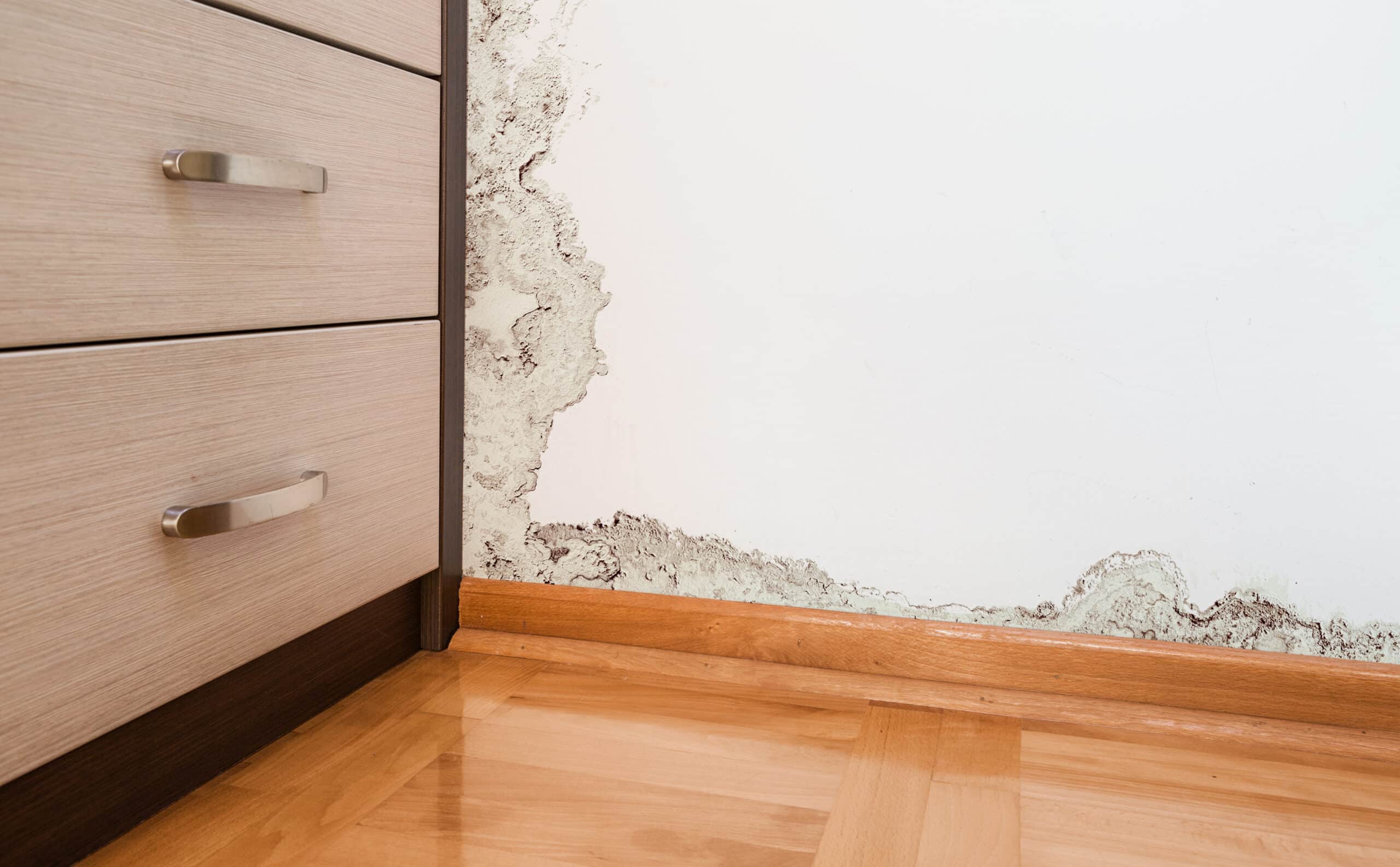
                        Mold is a type of fungus that grows in the form of multicellular filaments called hyphae. It thrives in damp, warm, and humid environments and can appear in a variety of colors, including black, green, blue, or white. Mold often has a fuzzy or slimy texture and can penetrate the surface it grows on, causing structural damage.

                        Mildew, on the other hand, is a specific type of mold that generally remains on the surface of moist areas. It typically appears as a thin, powdery, or fluffy growth that is white, yellow, or gray. Mildew is most commonly found on organic materials like plant leaves, paper, fabrics, and in areas with high humidity, such as bathrooms and basements.

                        The key differences between mold and mildew lie in their color, texture, and the depth of penetration into surfaces. Mold is usually darker and can cause more extensive damage, while mildew is lighter and easier to clean.

                        Growth Environments

                        Typical environments where mold thrives include damp, warm, and humid areas with poor ventilation. Mold often grows in basements, bathrooms, kitchens, and laundry rooms where moisture is prevalent. It can also be found in hidden areas such as behind wallpaper, under carpets, or inside wall cavities where leaks or high humidity persist. Mold spores can attach to various surfaces, including wood, drywall, carpet, and insulation, and proliferate when conditions are favorable.

                        Mildew commonly thrives in slightly different environments. While it also requires moisture, mildew is more likely to be found on the surface of organic materials. This includes plants, leather, paper, and fabrics, as well as in bathrooms, kitchens, and other high-humidity areas. Unlike mold, mildew does not penetrate deeply into materials but instead remains on the surface, creating a powdery or fluffy appearance.

                        Conditions that promote growth for both mold and mildew include high humidity, poor ventilation, and the presence of organic materials that can serve as a food source. For mold, temperatures between 77°F and 86°F (25°C to 30°C) are ideal, though it can grow in a broader temperature range. Both fungi require moisture, whether from leaks, condensation, or high humidity levels are 60%. Inadequate airflow and poor maintenance practices, such as infrequent cleaning or delayed repair of water damage, further contribute to their proliferation.

                        Health Risks Associated with Mold Exposure

                        Here are some of the health risks associated with mold exposure:

                        • Nasal congestion
                        • Throat irritation
                        • Coughing
                        • Wheezing
                        • Eye irritation
                        • Skin rashes
                        • Asthma attacks
                        • Chronic respiratory issues
                        • Chronic sinus infections
                        • Neurological issues
                        • Organ damage
                        • Allergic reactions
                        • Fatigue
                        • Headaches

                        Health Risks Associated with Mildew Exposure

                        Here are health risks associated with mildew exposure, which are very similar to mold exposure:

                        • Coughing
                        • Sore throat
                        • Nasal congestion
                        • Headaches
                        • Mild skin irritations
                        • Respiratory issues
                        • Eye irritation
                        • Allergy symptoms
                        • Sneezing
                        • Fatigue

                        While both mold and mildew can affect indoor air quality and health, mold generally poses more severe health risks compared to mildew.

                        What is the Difference Between Mold and Mildew?

                        Identification

                        Identifying mold in your home or workplace involves looking for signs such as discoloration on walls, ceilings, or floors, typically in shades of black, green, or blue. Mold often has a fuzzy or slimy texture and a musty odor. You can identify mildew by its powdery or fluffy appearance, usually white, yellow, or gray, on surfaces like bathroom tiles, fabrics, and plant leaves.

                        Tools and techniques for proper identification include moisture meters to detect dampness, black light to spot mold growth, and mold test kits for collecting and analyzing samples. Professional inspections are recommended for accurate identification and assessment.

                        Prevention Tips for Mold and Mildew Growth

                        Maintaining low indoor humidity (below 60%), promptly fixing leaks, ensuring proper ventilation in moisture-prone areas, and using dehumidifiers are all ways to prevent mold growth. Regularly cleaning and drying areas prone to moisture also helps. Preventing mildew mildew growth involves similar strategies, in addition to cleaning surfaces with mildew-resistant products.

                        Removal and Treatment for Mold and Mildew Growth

                        Removing mold and mildew can be done in several different ways. Commercial mold and mildew cleaners, or homemade solutions like vinegar or a mixture of bleach and water, are effective methods. You can also scrub affected areas with a brush and allow enough time for the surface to thoroughly dry to prevent regrowth.

                        If mold covers an area larger than 10 square feet, if you have persistent health issues, or if the mold is caused by sewage or contaminated water, it is crucial to call professionals. Experts can provide thorough cleaning, repair structural damage, and ensure mold doesn’t return to provide safety and effectiveness.

                        Choose Nook-N-Kranny for Mold Remediation

                        Nook-N-Kranny is highly skilled and trained in handling mold infestations through our remediation services. We know the dangers that are associated with mold exposure, so we are sure to eradicate the problem completely to get your property safe. Contact us today if you have a mold problem that needs to be addressed by professionals, and we will get it taken care of.

                        Filed Under: Home Inspector

                        • « Previous Page
                        • 1
                        • …
                        • 7
                        • 8
                        • 9
                        • 10
                        • 11
                        • …
                        • 14
                        • Next Page »

                        At Nook-N-Kranny, one call does it all! We can help with a wide variety of services, such as home and commercial inspections, plumbing, and mold remediation.

                        Location

                        2454 US-89
                        OGDEN, UT 84404
                        Main: 801-698-6467
                        Alt #: 385-442-7640
                        Monday 9 AM - 5 PM
                        Tuesday 9 AM - 5 PM
                        Wednesday 9 AM - 5 PM
                        Thursday 9 AM - 5 PM
                        Friday 9 AM - 5 PM
                        Saturday Closed
                        Sunday Closed

                        Links

                        • Home and Commercial Inspections
                        • Plumbing
                        • Mold Remediation
                        • About
                        • Contact

                        Follow Us


                        award

                        2026

                        Nook-N-Kranny Home Services

                        All Rights Reserved

                        Privacy Policy

                        Terms

                        SMS Privacy Policy

                        SMS Terms

                        Sitemap

                        XML Sitemap

                        Site by PDM