Gas Line Plumber

Professional Gas Line Plumber in Northern Utah
When looking for a gas line plumber, it’s helpful to understand that gas line systems are important for residential and commercial buildings, ensuring a safe and stable gas supply. Many home appliances, such as an HVAC furnace, water heater, dryers, fireplaces, grills, gas stoves, and ovens, all rely on propane or natural gas as fuel to operate.
Gas piping services require custom designs and installation for each unique building. Because a compromised gas line can be incredibly dangerous, it must be built with distinct materials and layouts that meet manufacturer guidelines and construction codes. The professional gas line plumbers at N&K Plumbing Services, a division of Nook-N-Kranny, are fully licensed and trained for safe, efficient gas piping. Skilled in everything from running lines for outdoor fire pits and grills to adding a gas line for a stove, our team of experts is ready.
Gas Line Installation and Replacement
Installing new systems or replacing gas lines involves inspection, shutting off main gas supplies, mapping the area, designing new pipes, assembling specific parts, testing for leaks, and passing inspections. Our gas line plumbers offer a safe and reliable installation or replacement process. By making confident decisions by considering weather conditions, line sizing, site accessibility, property architecture, and energy efficiency, you can trust us to improve your home with dependable gas lines.

Schedule an Appointment Today
Gas Leak Repair
Gas leaks are very dangerous and can cause severe damage to you or your home. Carbon monoxide poisoning, asphyxiation, fires, and explosions are all potential disasters that a broken gas line can cause. Rely on service from a professional plumber for gas leaks in your building who can promptly address issues with diagnostics, custom repairs, and safe procedures.
What To Do When You Have A Gas Leak
If you suspect there is a gas leak in your home, it’s important to take quick and efficient action.
Remember these steps when dealing with a gas leak:
- Immediately Evacuate: Leave the building in a safe manner and ensure all people and pets have evacuated.
- Avoid Ignition Systems: Do not turn any lights, fans, or electrical appliances on or off, use phones or doorbells, light any matches or turn on gas stoves, or start or stop a car that is in the home’s garage or driveway.
- Leave Doors and Windows Open: On your way out of the home, leave windows and doors open behind you to let the gas escape and the house air out. Do not spend time opening windows or doors throughout the house unless they are near the exit.
- Call For Help: Once you have made it to a safe location away from your home, call 911 or your gas provider’s emergency hotline.
- Get Professional Repair: When the time comes to repair your gas appliances, do not attempt to fix them yourself. Trust emergency services to inspect your gas lines and professional plumbers to make safe repairs and replacements.
Signs Your Gas Line Needs To Be Repaired or Replaced
- Strange Odors: Because natural gas has no scent, gas companies add a chemical compound called mercaptan to give it a sulfur odor that resembles rotten eggs. If you start noticing this smell in your home, there could be a gas leak coming from a broken pipe.
- Increased Gas Bills: If your gas bills start getting higher without your knowledge of extra use, there could be a gas leak in one of your lines.
- Hissing Noises: With small cracks or holes, the pressure of gas escaping from leaky pipes may create a high-pitched noise or hissing sound.
- Rust and Corrosion: Gas lines exposed to moisture or old pipes may be starting to rust. This corrosion will lead to breaks and cracks over time.
- Remodelling: When building new rooms, replacing old gas systems, or renovating your space, ensure that you’re replacing old pipes with gas lines that accommodate new appliances.
- Old Age: Gas pipes are designed to last a very long time, but throughout the years, natural wear and tear can weaken them. Make sure to check your pipes when they are around 25 years old by trusting a professional plumber to inspect them for any damage.
Gas Line Services at Nook-N-Kranny
When you work with our plumbers, you get experts with years of experience and training who are certified and insured. Trust that your home is in safe hands with any plumbing issues that you might encounter. From low water pressure to mold growing in your bathroom, we are ready to help. Contact us for a home inspection today!
Schedule an Appointment Today
Frequently Asked Questions
Gas Line Services FAQs
What are the different types of gas pipes used?
Gas line materials are chosen based on where they are being installed (indoors vs. underground) and how much physical flexibility is needed.
- Black Iron Pipe: The traditional heavyweight champion. Made of strong, rigid steel coated with dark iron oxide, it is incredibly durable and resistant to punctures from nails or tools. It is the standard choice for main supply lines indoors.
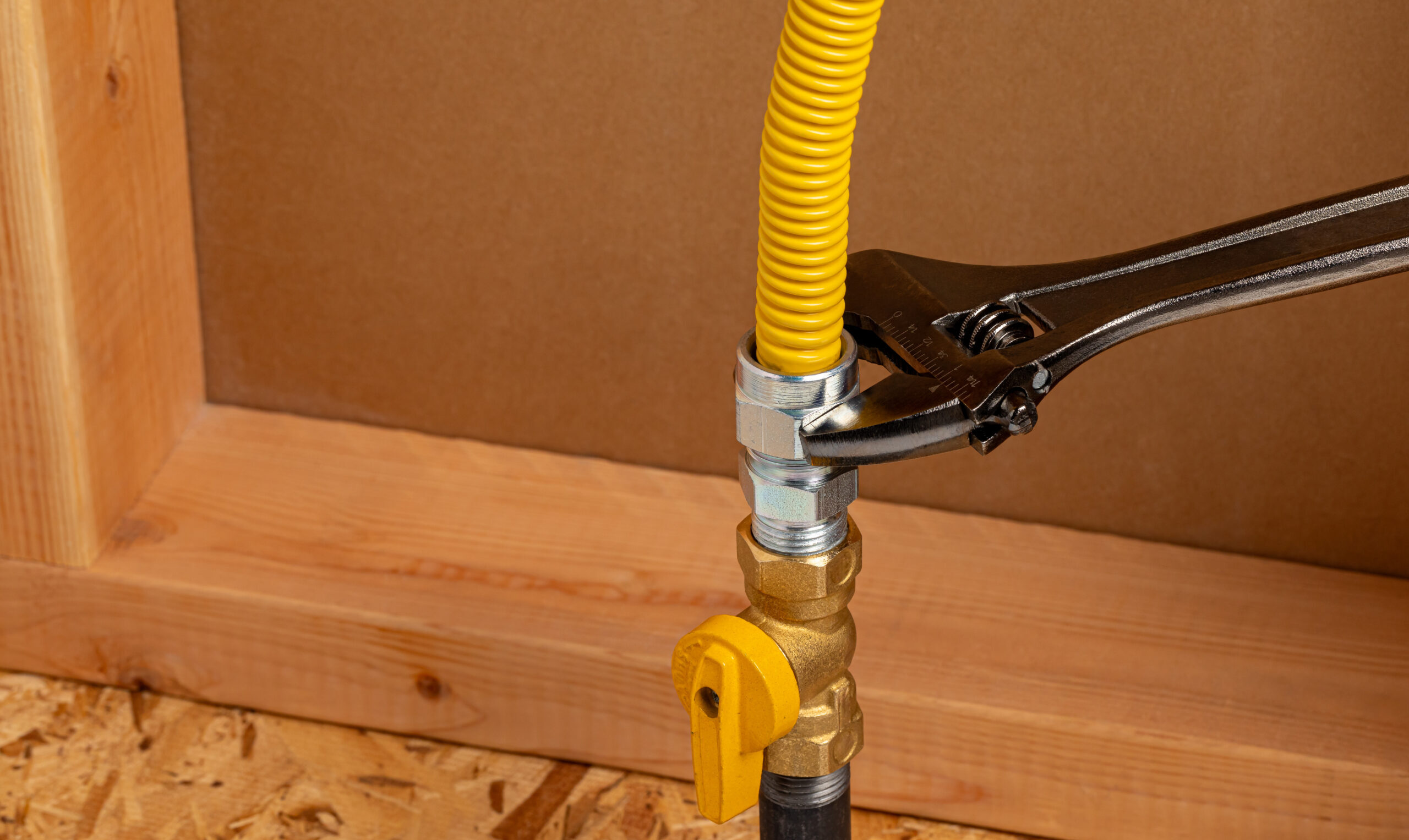
- Corrugated Stainless Steel Tubing (CSST): This is a highly flexible, snake-like tubing encased in a yellow (or sometimes black) plastic jacket. Because it bends easily around corners and obstacles, it requires fewer joints (which means fewer potential leak points) and installs much faster than black iron. Note: It must be electrically bonded to prevent damage from lightning strikes.
- Polyethylene (PE) Pipe: Exclusively used for underground installations (like running a line out to a fire pit or pool heater). It resists moisture, soil corrosion, and ground shifting, but because it degrades under UV light, it can never be used above ground.
Can I install or repair a gas line myself?
In almost all jurisdictions, the short answer is no. Working on gas lines is highly regulated.
- Safety: The risk of carbon monoxide poisoning, explosions, or fire is too high.
- Legal & Permits: Most municipalities require a licensed gas line plumber or gas technician to pull a permit for any gas work. DIY work can result in heavy fines and void your homeowner’s insurance.
- Pressure Testing: After installing any line, professionals must perform a pressure test to ensure there are zero microscopic leaks before turning the gas back on.
Can my existing gas system handle adding a new appliance? Can my existing gas system handle adding a new appliance?
This is a very common oversight. Homeowners often assume they can easily tee off an existing line to add a new appliance, but gas lines operate on strict BTU (British Thermal Unit) capacity limits.
Just like your electrical panel can only handle a certain amount of amperage before tripping a breaker, your gas system has a maximum volume of gas it can safely deliver at one time.
If you add a high-demand appliance (like a tankless water heater or a heavy-duty outdoor grill) without checking, you risk undervoluting your system.
Can any plumber install gas lines, or do I need a specialized gas line plumber?
While basic plumbing covers water lines and drainage, working on gas piping requires specialized licensing, permits, and safety testing. Hiring a qualified gas line plumber ensures your system is sized correctly for BTU load requirements, pressure-tested for leaks, and fully compliant with Ogden building codes.
Testimonials
OUR HAPPY CLIENTS


30+
YEARS OF EXPERIENCE
4.8
AVERAGE RATING
45,000+
HOUSEHOLDS SERVICED
60+
CITIES SERVED