
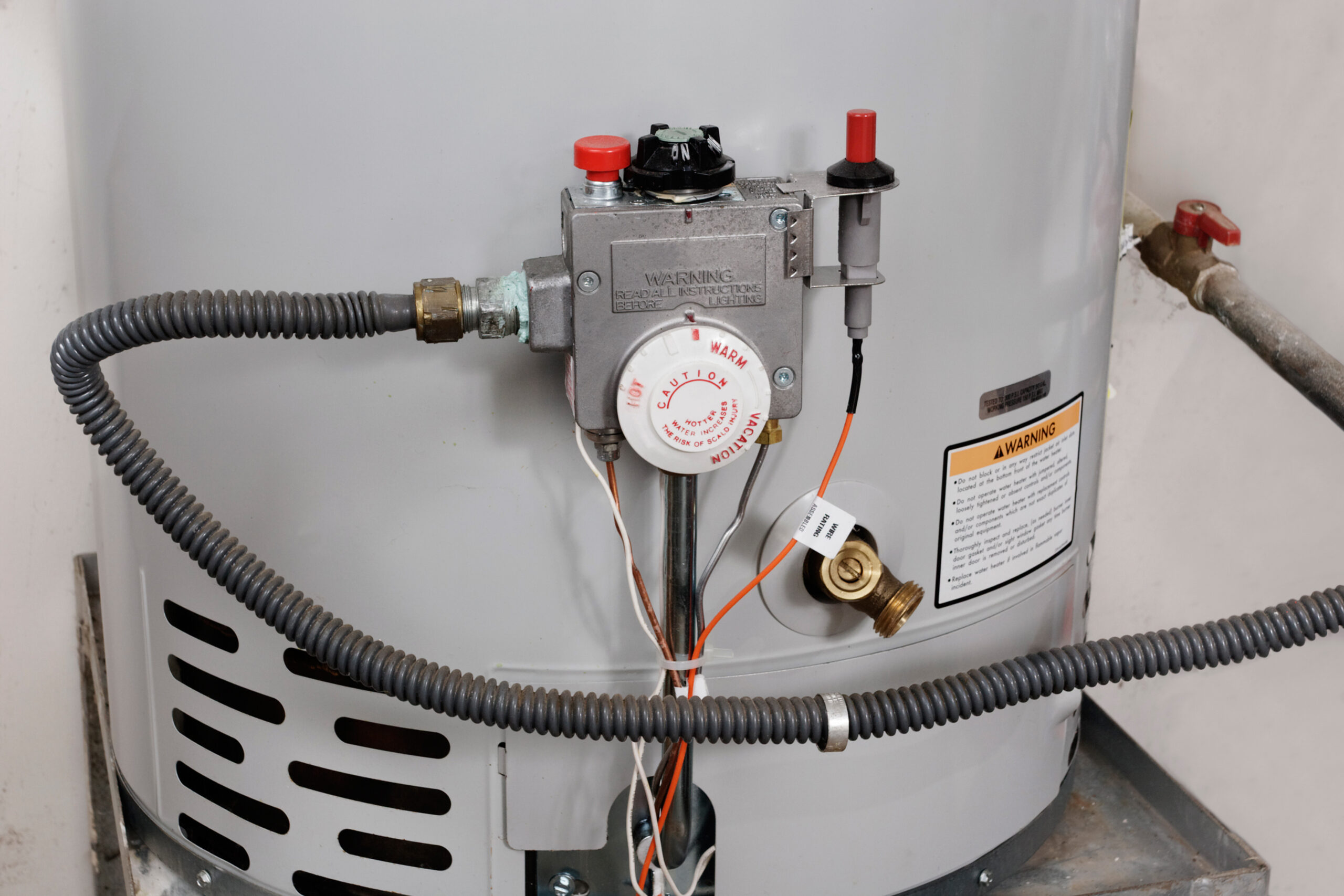
Water Heater
Repair & Replacement

Utah’s Trusted Water Heater Specialists
A water heater is an important appliance that enhances the function and comfort of your home. Water heater repairs or replacement can keep your water hot for dishwashing, laundry, warm showers, cooking, and more. An old or broken water heater can lead to cold water temperatures, low water pressure, dirty water, or harmful leaks that can cause water damage.
With water heater repair, maintenance, and installation, N&K Plumbing Services (a division of Nook-N-Kranny) offers a wide range of solutions for your home’s water heater needs. Keep your water hot and running with professional plumbers who can confidently work with gas lines, electrical wiring, and heavy plumbing to fix or assemble your water heating system.
Extend the Life of Your Water Heater With Routine Maintenance
Save money and ensure your water heater withstands wear and tear throughout the years with regular maintenance.
- Standard Flushing: Flush out sediment that has built up in the unit every 6 to 12 months.
- Anode Rod Inspection: The rod that keeps the water tank from corroding by rusting in place of the metal lining. Regularly inspect the rod and fully replace it every 3 to 5 years before the water heater starts corroding.
- Valve Testing: Routinely test the temperature and pressure valve to ensure control over the water’s heat and pressure.
- Check for Leaks: Inspect the area around your water heater and the unit for rust or water leaks that could destroy your home’s infrastructure.
Schedule an Appointment Today
Water Heater Installation and Repair with Nook-N-Kranny
Whether you are in need of emergency water heater repair, regular water heater maintenance, or you are looking to choose the right heater for your home, the experts at Nook-N-Kranny Home Services are here to help! With certified plumbers who have years of professional experience, we can offer you efficient and effective services that improve your home. Contact us to schedule an inspection for your water heater today!
Frequently Asked Questions
Water Heater Repair & Replacement FAQs
How long does a water heater last?
- Traditional Tank Heaters: Typically 8 to 12 years.
- Tankless Heaters: Can last 20 years or more with proper maintenance because they aren’t constantly holding corrosive water.
Can you repair a leaking water heater tank?
No. If the actual metal tank is leaking, it cannot be repaired. The leak means the internal steel structure has rusted through due to corrosion. The unit must be replaced immediately to prevent major water damage to your home. (Note: If water is dripping from a valve or a pipe connection on top, that can be fixed. But a leak from the bottom or side of the tank itself is fatal.)
How long does it take a plumber to replace a water heater?
Swapping out an old tank for a new tank water heater usually takes a professional plumber 2 to 4 hours. Switching from a tank to a tankless system is a larger project that typically takes 1 to 2 days due to the necessary venting and piping reconfigurations.
Do I need a permit to replace my water heater?
In most municipalities, yes. Local building codes usually require a permit for a water heater replacement because it involves high-voltage electricity, natural gas, or propane lines, and critical venting systems. A licensed plumber will typically handle the permit process for you.
What upgrades might be required during a replacement?
Building codes change over time. When you replace your unit, your plumber may be legally required to bring your setup up to current safety standards, which might include adding:
- An Expansion Tank: A small secondary tank that absorbs excess water pressure caused by thermal expansion.
- A Drip Pan and Drain Line: To catch future leaks before they ruin your flooring.
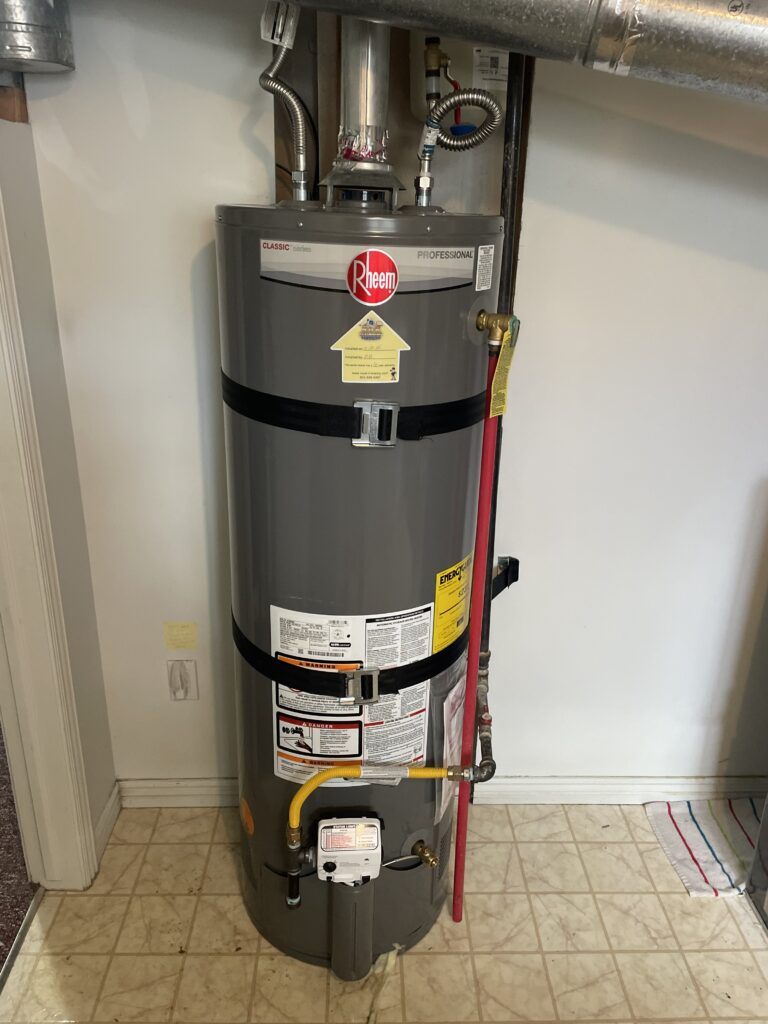
- Earthquake Straps: (Mainly in seismic zones like the West Coast) to secure the tank to the wall studs.
Schedule an Appointment Today
Testimonials
OUR HAPPY CLIENTS


30+
YEARS OF EXPERIENCE
4.8
AVERAGE RATING
45,000+
HOUSEHOLDS SERVICED
60+
CITIES SERVED