

Water Softener
Installation & Repair

Expert Water Softener Services in Northern Utah
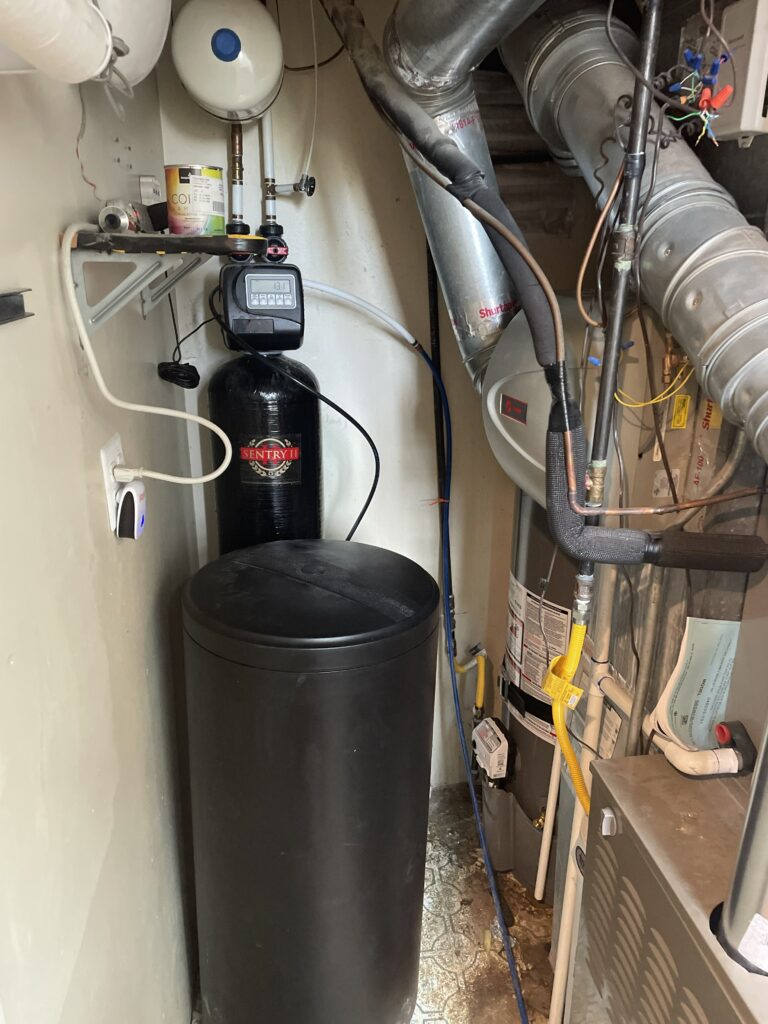
Invest in your home’s water quality with professional water softener installation. Hard water and the heavy minerals that it contains can harm your pipes, leave behind tough buildup, and irritate your skin. Water softeners filter out these minerals, replacing them with sodium ions that extend the life of your plumbing systems.
At N&K Plumbing Services, a division of Nook-N-Kranny, we provide expert water softener installation and repair, among other plumbing services that enhance the function and comfort of your home. With over 37 years of experience and a team of certified professionals, you can trust us for water softener installation, repair, and maintenance.
Benefits of a Water Softener
Water softeners help control the particles that collect in your home’s water and have many extra advantages:
- Cleaner Laundry and Dishes: Soft water keeps mineral stains from collecting on dishware and hardening clothing.
- Saves Money: Because softened water helps soap lather more effectively, you can save on the amount of soap, shampoo, and detergent that you use, helping you spend less money on household and personal cleaning supplies.
- Prevents Dry Skin and Hair: The minerals in hard water dry out your hair and skin by stripping them of natural oils, while soft water gently washes and helps you retain important moisture that keeps your skin and hair healthy.
- Protects Pipes: Hard water deposits magnesium buildup and limescale that clog pipes and damage your plumbing system, leading to low water pressure, extra energy use, and leaky pipes.
Schedule an Appointment Today
Water Softener Installation
Our expert plumbers can quickly and efficiently install your water softeners with clear and standard steps:
- Prepare the site for setup, measure the water hardness for system calibration, and ready the softener tank.
- Shut off the water supply, install a bypass valve that allows you to remove water from the softener for future maintenance, and connect the inlet and outlet ports of the water softener to the building’s main water supply.
- A drain line is connected, and a small tube called the brine tank is attached for sodium integration.
- The system is started up by testing the pressure, programming for time, and testing water hardness, and the brine tank is filled with the sodium used to soften the water.
Water Softener Repair
If your water softener needs repair, we’ve got you covered. Nook-N-Krany Home Services are familiar with many distinct systems and technologies, ready to help you with any issues you may have. Signs that your water softener system is not working properly include:
- Mineral buildup around faucets
- Fluctuation in water pressure
- Stains on sinks, dishes, or clothes
- Water tastes too salty
If you notice any of these things happening, call for a plumbing inspection to help you diagnose problems and discover water softener fixes.
Schedule an Appointment Today
Water Softener Solutions With Nook-N-Kranny
When it comes to taking care of your home’s plumbing systems and water softeners, Nook-N-Kranny Home Services is the team for you. Whether you need water softener installation, repairs, replacement, or emergency assistance, our certified experts are here to help. With 24/7 scheduling available by phone or online, you can set up an appointment at any time. Contact Nook-N-Kranny for more information today!
Frequently Asked Questions
Water Softener Installation & Repair FAQs
How much maintenance do they require?
Fortunately, they are mostly “set-it-and-forget-it” appliances, but you do have a few regular chores:
- Add Salt: You’ll need to check the brine tank (usually the shorter, wider tank next to the tall resin cylinder) every 4 to 6 weeks and top it off with water softener salt blocks or pellets.
- Break Salt Bridges: Occasionally, a hard crust (called a “salt bridge”) can form over the water in the brine tank, leaving an empty space underneath. If this happens, you just need to gently break it up with a broom handle.
- Annual Clean: It’s good practice to flush the system and clean the brine tank once a year to keep it running efficiently.
Does softened water taste salty?
Not really! While the system uses sodium to clear out the hard minerals, it doesn’t dump spoonfuls of table salt into your drinking glass. The amount of sodium added depends on how hard your water was to begin with. On average, a glass of softened water contains less sodium than a single slice of commercial bread. However, if you are on a strict low-sodium diet for blood pressure or medical reasons, you can easily use potassium chloride pellets in the tank instead of traditional salt, or install a reverse osmosis filter at your kitchen sink for drinking water.
Can I water my plants and lawn with softened water?
Generally, no. You should avoid using softened water on your houseplants, garden, or lawn. While the amount of sodium in softened water is perfectly fine for humans, it can be toxic to plants over time.
How long does a water softener usually last?
With basic regular maintenance—like keeping salt in the brine tank and clearing salt bridges—a quality water softener typically lasts 10 to 15 years. If your system is over 10 to 12 years old and requiring frequent service or failing to soften your water, upgrading to a modern, energy- and salt-efficient unit is usually the most cost-effective choice.
How do I know what size water softener my home needs?
Sizing depends on two main factors: the number of people in your household and the hardness of your water supply in Ogden (measured in Grains Per Gallon, or GPG). During our consultation, we test your water hardness and calculate your daily grain capacity so you get a system sized perfectly for your home without wasting salt or energy.
How long does water softener installation take?
A standard water softener installation typically takes 2 to 4 hours. Our certified plumbers handle everything from setting up the bypass valves and drain lines to programming the digital control head for Ogden’s specific water hardness levels and testing the system before we leave.
Repair vs. Replace: How do I choose?
A good rule of thumb is the 50% Rule: The 50% Rule is if your system is more than 8 years old and the cost of the repair is more than 50% of the cost of a brand-new unit, go with a replacement. If it’s a minor issue—like a clogged valve, a worn O-ring, or a salt bridge—it is usually worth fixing. If the main control valve body is cracked or the outer tank is leaking, it is time to replace it.
Testimonials
OUR HAPPY CLIENTS


30+
YEARS OF EXPERIENCE
4.8
AVERAGE RATING
45,000+
HOUSEHOLDS SERVICED
60+
CITIES SERVED