
Fire hazards are not always obvious. In fact, some of the most serious risks are hidden behind walls, above ceilings, or tucked into areas most people rarely check. Whether in a home or commercial building, small issues can quickly turn into major dangers if they go unnoticed.
That is why fire safety inspections are so important. They help identify potential hazards, ensure your property meets current codes, and give you the opportunity to fix problems before they become emergencies. Taking a proactive approach to fire safety is one of the best ways to protect both people and property.
Why Fire Safety Inspections Matter
Fire safety inspections play a critical role in maintaining a safe environment. They are designed to identify risks, verify that safety systems are functioning properly, and ensure that a building meets local and national fire codes.
For property owners and business operators, inspections help reduce liability. In many cases, inspections are required for insurance purposes, leasing agreements, or occupancy approvals. Staying compliant can help you avoid fines, penalties, and potential legal issues.
Most importantly, regular inspections provide peace of mind, knowing that your property is prepared to handle an emergency if one occurs.
What is Code Compliance?
Code compliance refers to meeting the standards set by local, state, and national regulations for fire and building safety. These codes are designed to minimize fire risks, ensure safe evacuation, and limit damage in the event of a fire.
It is important to understand that fire codes are not static. They evolve over time as safety standards improve and new risks are identified. A building that was compliant years ago may no longer meet current requirements. Regular inspections help ensure that your property stays up to date with the latest safety standards.

Common Issues Found During Fire Safety Inspections
Faulty or Outdated Fire Alarms
One of the most common issues found during inspections is malfunctioning or outdated fire alarm systems. Detectors may not be placed in required areas, or they may no longer function properly. Without reliable alarms, occupants may not receive timely warnings in an emergency.
Blocked or Inadequate Exits
Emergency exits must be easily accessible and clearly marked. Inspections often reveal blocked pathways, poorly marked exits, or doors that do not open as they should. These issues can significantly delay evacuation during a fire.
Improper Electrical Systems
Electrical problems are a leading cause of fires. Inspectors frequently find overloaded circuits, exposed wiring, or improper use of extension cords. These issues increase the risk of electrical fires and should be addressed immediately.
Missing or Expired Fire Extinguishers
Fire extinguishers are essential for controlling small fires before they spread. However, they must be properly placed, regularly inspected, and fully functional. Missing or expired extinguishers are a common compliance issue.
Lack of Fire Suppression Systems

In some buildings, fire suppression systems such as sprinklers are required by code. Inspections may reveal missing systems or equipment that is not functioning correctly, leaving the property vulnerable.
Hidden Risks Inspections Can Uncover
Beyond the obvious issues, inspections often uncover hidden risks that may not be visible to occupants. These can include structural vulnerabilities that allow fire to spread more quickly, improper storage of flammable materials, or ventilation issues that could fuel a fire.
Inspections may also reveal code violations that have gone unnoticed for years. Identifying these risks early allows property owners to take corrective action before they lead to serious consequences.
The Inspection Process: What to Expect
A typical fire safety inspection involves a thorough walkthrough of the property. Inspectors evaluate fire alarms, electrical systems, exits, and suppression equipment. They also review documentation to ensure everything meets code requirements.
After the inspection, you will receive a detailed report outlining any violations or areas of concern. This report often includes recommendations for repairs, upgrades, or maintenance to bring the property into compliance.
Take a Proactive Approach to Fire Safety
Fire safety is not something to leave to chance. Regular inspections allow you to identify risks, stay compliant with current codes, and take action before small issues become major hazards.
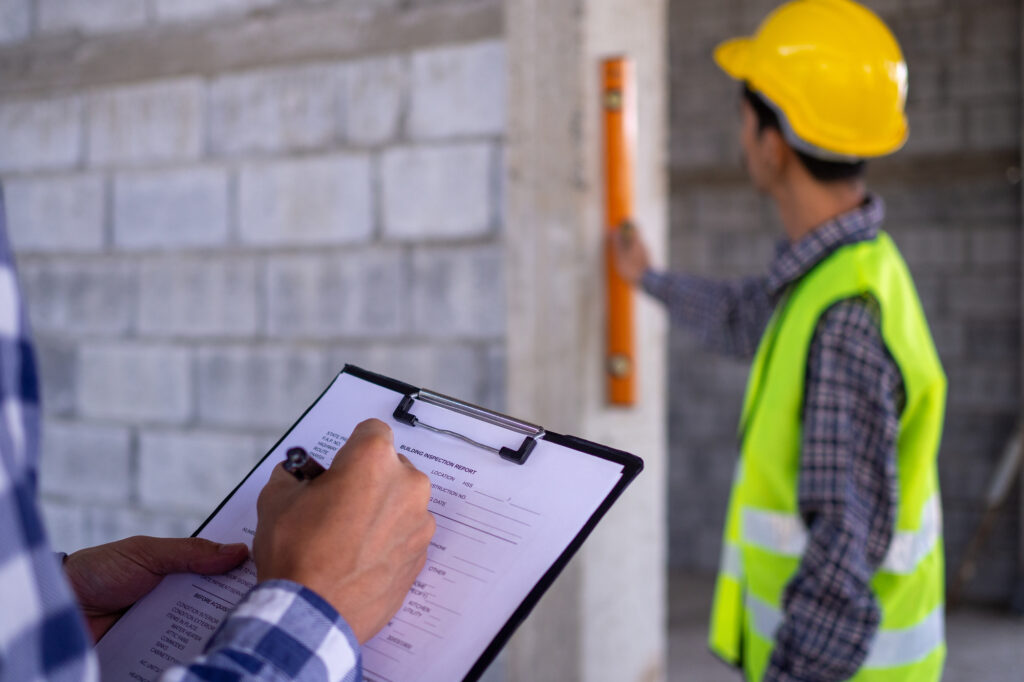
Working with experienced professionals ensures that your property is thoroughly evaluated and that any concerns are properly addressed. The team at Nook-N-Kranny is dedicated to helping property owners maintain safe, compliant spaces through detailed inspections and expert recommendations.
Do not wait until a problem arises. Contact us at Nook-N-Kranny today to schedule a fire safety inspection and take the first step toward protecting your property, your investment, and the people who depend on it.