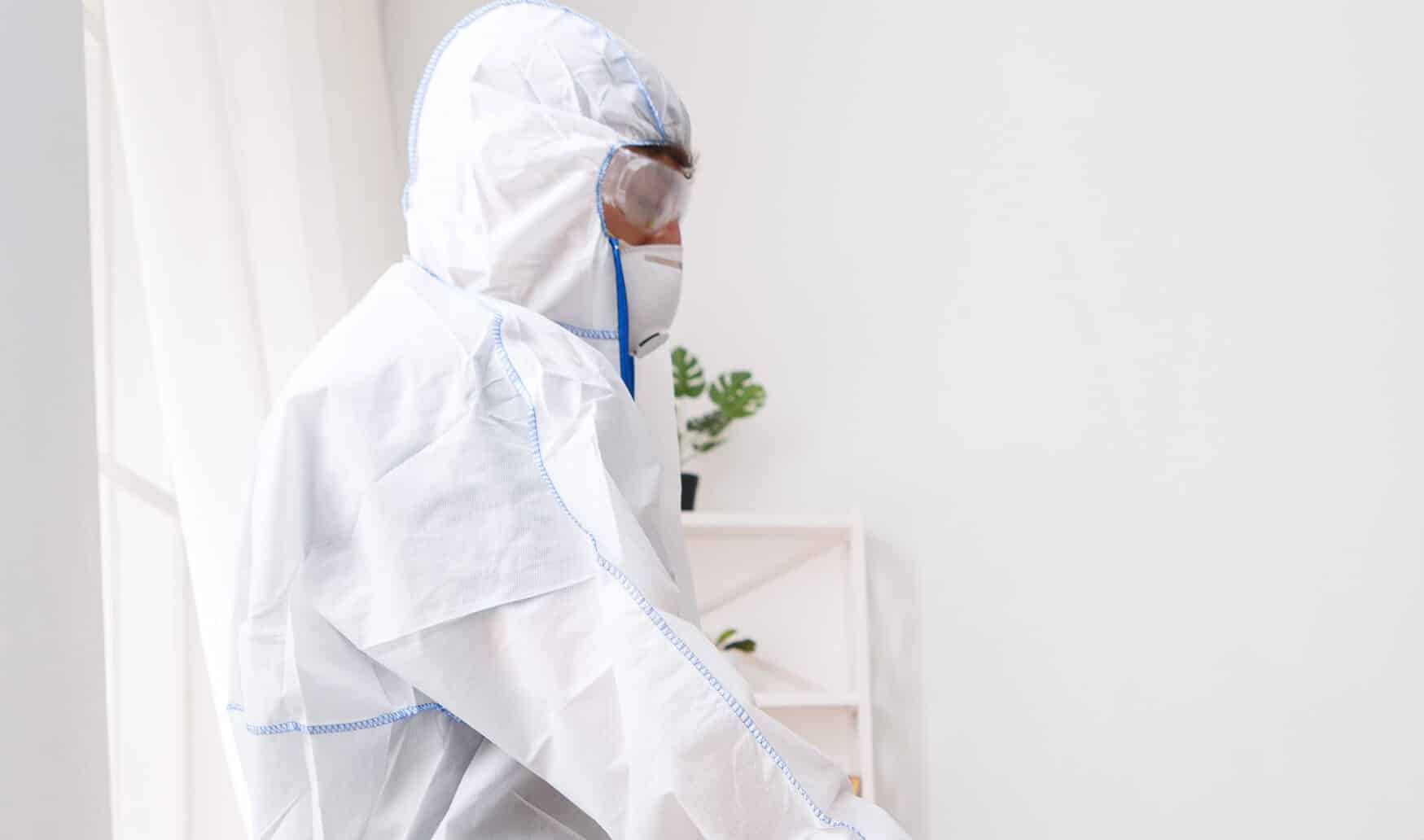
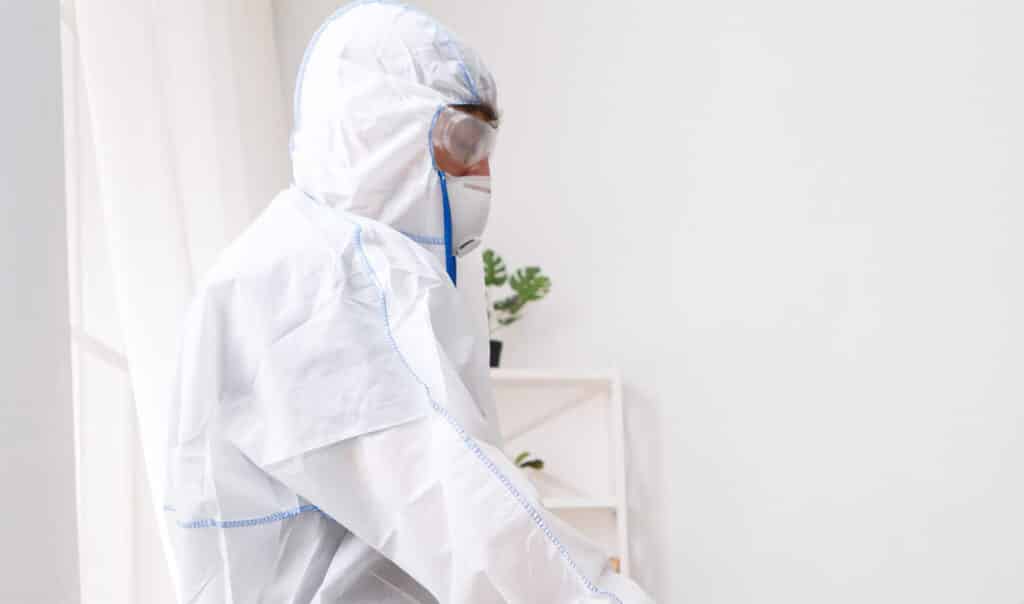
Discovering that your home may have a meth contamination can be alarming, but taking the right steps can help protect your health and your investment. Whether you’re a homeowner, prospective buyer, landlord, or property manager, it’s important to know that meth contamination isn’t always visible. Even if a property looks clean, harmful residue may remain on surfaces long after meth has been manufactured or used inside the home.
If you suspect meth contamination, acting quickly and relying on professional testing can help you determine whether your property is safe. Here’s what you should do if you have concerns about meth residue in your home.
How Homes Become Contaminated with Meth
Meth contamination most commonly occurs when methamphetamine has been manufactured or repeatedly smoked inside a home. During these activities, chemical residues are released into the air and settle onto walls, ceilings, floors, countertops, carpets, HVAC systems, and other surfaces throughout the property.
One of the biggest challenges with meth contamination is that it often cannot be seen. A home may appear clean, freshly painted, or recently renovated while still containing residue that requires professional testing to identify.
Signs That May Indicate Meth Contamination
While professional testing is the only way to confirm whether a home is contaminated, there are situations that may raise concern. Some possible warning signs include:
- Strong chemical or unusual odors.
- Stained walls, ceilings, or other surfaces.
- Evidence of unusual chemical containers or discarded materials.
- Information from neighbors about previous drug activity.
- Purchasing a foreclosure, rental property, or home with an unknown history.
It’s also important to remember that many contaminated homes show no obvious signs at all. That’s why testing is often recommended whenever there’s reason to believe meth use or production may have occurred.
Don’t Attempt to Clean It Yourself
If you suspect meth contamination, avoid trying to solve the problem with household cleaners or do-it-yourself methods.
Meth residue can be difficult to remove, and standard cleaning products are not designed to eliminate contamination. In some cases, scrubbing, sanding, or disturbing contaminated materials may actually spread residue to additional surfaces or increase the risk of exposure.
Instead of attempting to clean the home yourself, limit unnecessary contact with affected areas until the property can be professionally evaluated.
Schedule Professional Meth Testing
The most important step you can take is scheduling professional meth testing. Certified testing provides an accurate assessment of whether contamination is present and whether additional action is needed.
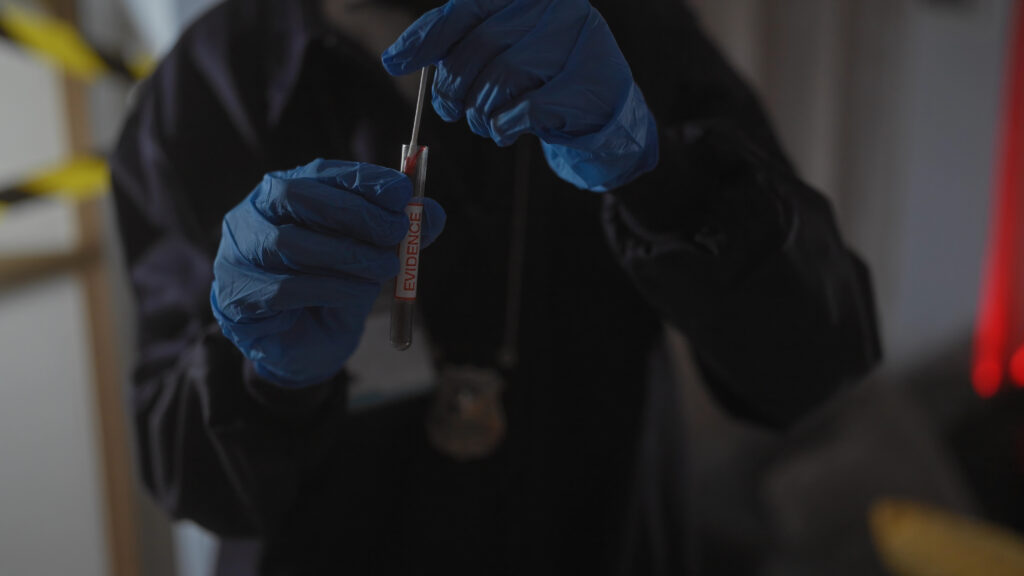
Professional meth testing typically includes collecting surface samples from key areas throughout the home. These samples are then analyzed by an accredited laboratory to determine whether meth residue exceeds established safety standards.
After testing is complete, you’ll receive a detailed report explaining the findings so you can make informed decisions about the property.
Understand Your Test Results
Receiving your test results is an important step toward determining what happens next.
If meth residue is below applicable safety standards, no additional action may be necessary. However, if contamination exceeds recommended limits, professional remediation may be required before the property can be safely occupied.
A qualified meth testing professional can explain your laboratory results, answer your questions, and help you understand the recommended next steps based on your specific situation.
If Contamination is Confirmed
Finding out that your home is contaminated doesn’t necessarily mean the property can’t be restored. Many homes can be successfully remediated by qualified professionals.
Depending on the level of contamination, remediation may involve specialized cleaning techniques, removal of contaminated materials, HVAC system cleaning, and other procedures designed to reduce meth residue throughout the home.
After remediation has been completed, follow-up clearance testing is often performed to verify that the property meets applicable safety standards before it is reoccupied.
Protect Yourself While Waiting
If you’re waiting for testing or remediation, there are several steps you can take to reduce potential exposure.
Consider these precautions:
- Limit unnecessary time inside the home if contamination is strongly suspected.
- Keep children and pets away from potentially affected areas.
- Avoid sanding, remodeling, or disturbing walls, flooring, or other surfaces.
- Follow any recommendations provided by your testing professional.
These simple precautions can help minimize exposure until you have more information about the property’s condition.
Trust Nook-N-Kranny Home Services for Professional Meth Testing
At Nook-N-Kranny Home Services, we provide professional meth testing to help homeowners, buyers, sellers, landlords, and property managers make informed decisions about their properties. Our thorough testing process and laboratory analysis provide accurate results you can trust.
If you suspect meth contamination in your home or are considering purchasing a property with an uncertain history, contact Nook-N-Kranny Home Services today. Our experienced team is here to provide professional meth testing services that help protect your health, your family, and your investment.